
THE IN-DEPTH GUIDE
Planning Ngorongoro in detail.
A wildlife day with a wider perspective
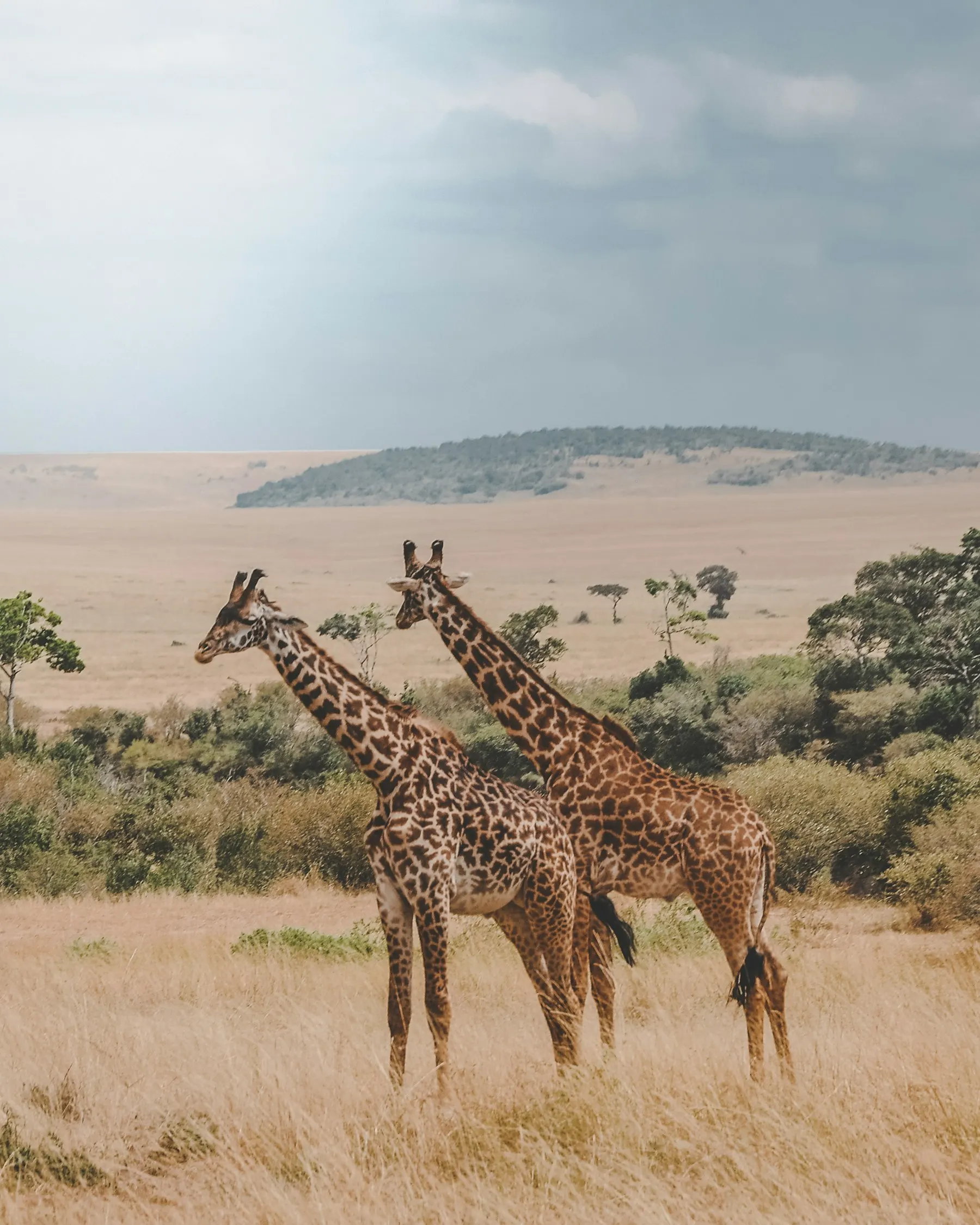
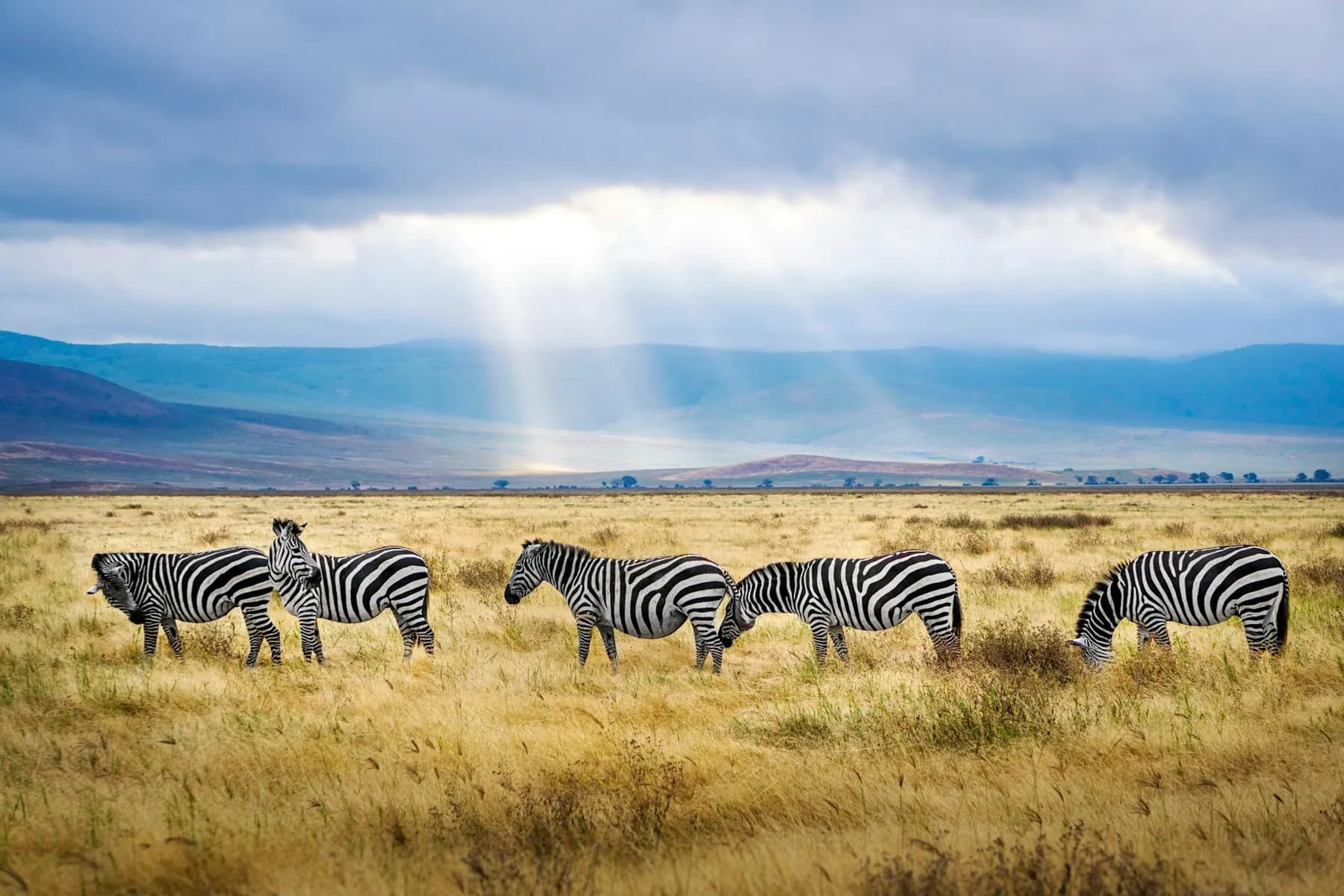
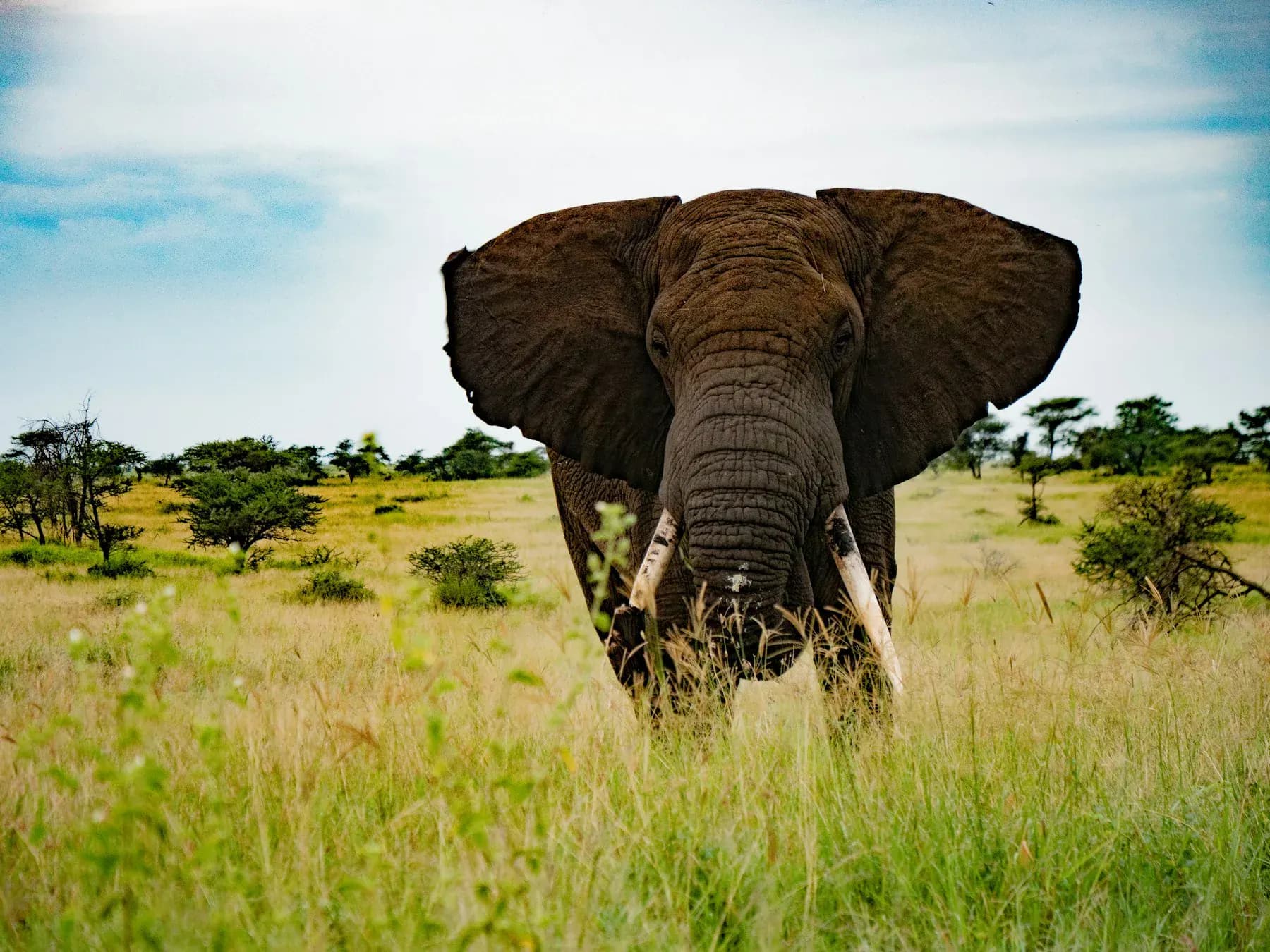
The range of habitats supports a varied wildlife community. Keep expectations flexible: animals are free-ranging, individual species may be difficult to find, and a well-known destination cannot guarantee a particular sighting.
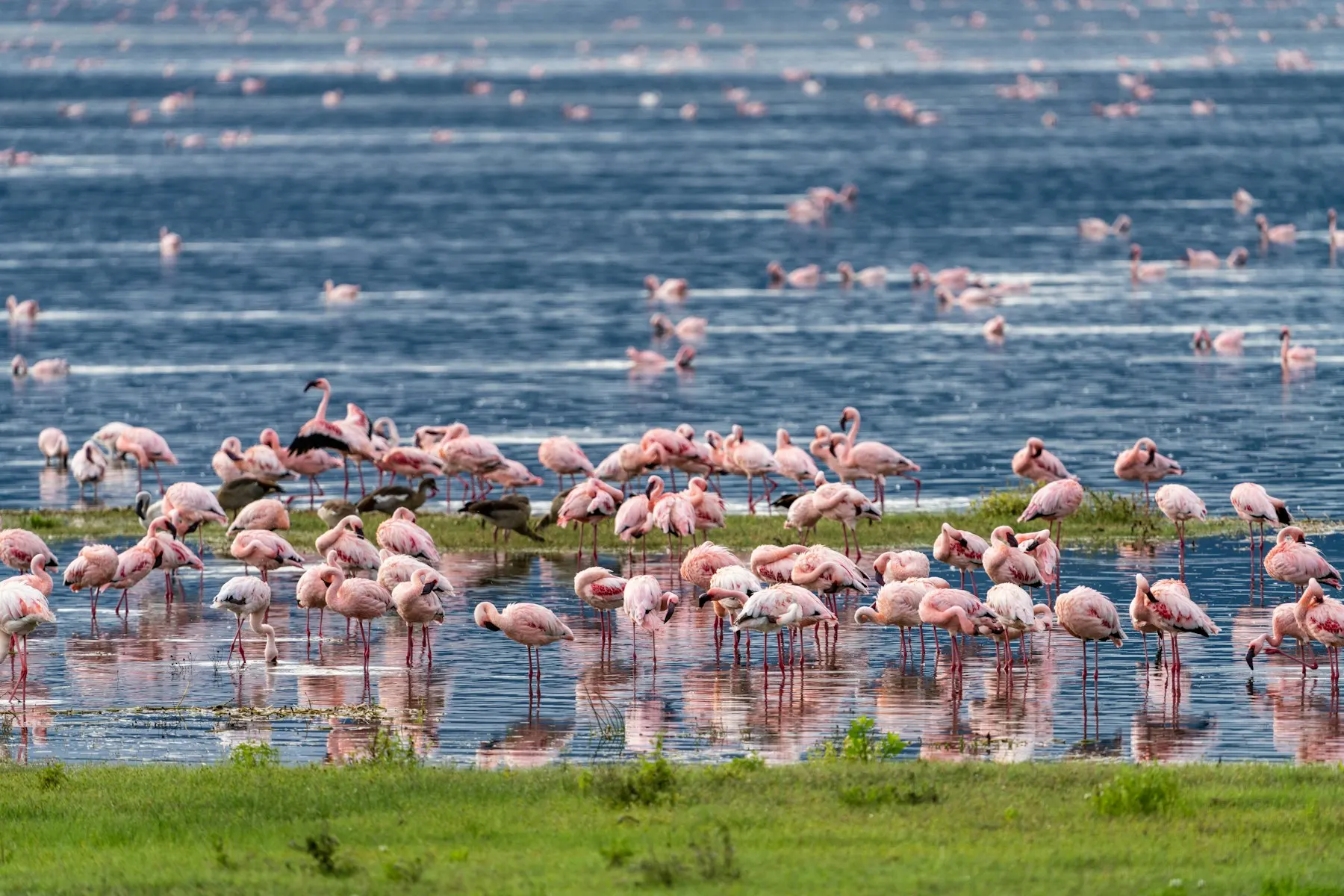
Think about the whole setting rather than a checklist. Light across the crater walls, birds around water and the transition between habitats are part of the day. Share a photography or birdlife interest early so the wider itinerary can give it space.
What the visit involves
A crater game drive needs to sit within an agreed programme with the appropriate conservation-area arrangements. Ask about the start, the time allocated to the visit, the vehicle arrangement and the onward destination. Avoid treating the day as an isolated excursion when planning a longer safari.
If you would like to explore broader geology or archaeological heritage, mention that separately. A wider conservation-area experience can require additional time, permissions and a different route. It is included only when specifically agreed in your proposal.
Access, accommodation and the next day
The overnight base strongly affects the rhythm of a crater visit. Compare the location and atmosphere of highland stays with properties around Karatu. Ask how each option affects the approach, the early start and your onward route.
A northern circuit can connect Ngorongoro with the Serengeti, Lake Manyara or Tarangire. The sequence should be based on your arrival and departure plans, nights available and preferred pace. Confirm road conditions and realistic transfer allowances close to travel.
Allow room for the highlands
A crater visit is often one part of a longer safari, but that does not mean every neighbouring destination needs to fit the same short journey. Leave time for the change of landscape and for rest between travel days.
Keep warm layers within reach for highland mornings and adapt clothing as conditions change. Accommodation, meals, permits and the agreed scope of the visit should be clear before you confirm the journey.
A landscape with its own character
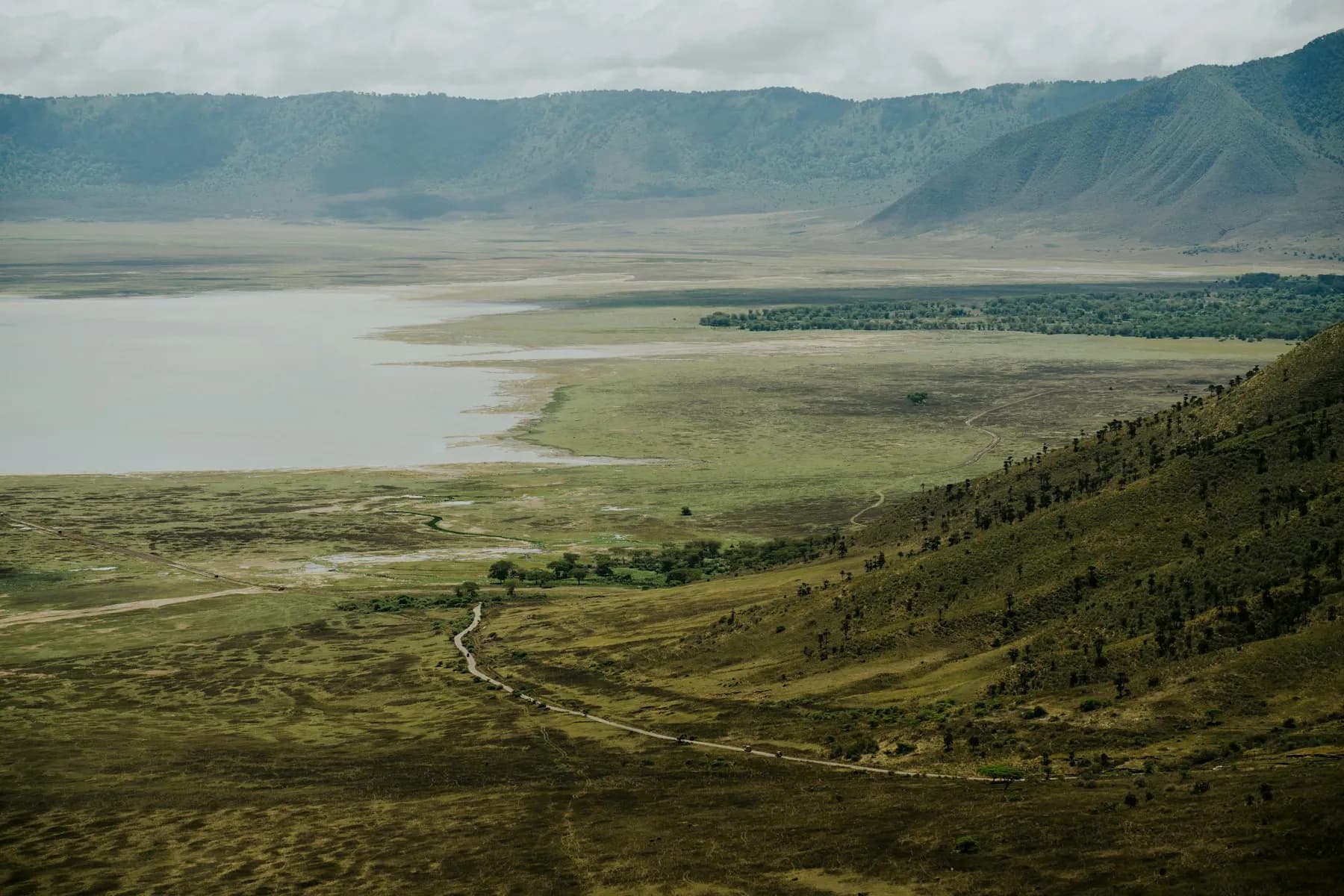
Ngorongoro’s volcanic caldera creates a striking contrast to the open plains elsewhere on a safari. It is part of the wider Ngorongoro Conservation Area in northern Tanzania, with scenery and wildlife that give this stop a distinct place in the journey.
Plan the visit as part of a route
Think about where you will stay before and after the crater visit. The itinerary should make the experience feel connected rather than treating it as an isolated excursion with complicated transfers.
More than a wildlife checklist
Look at the setting as well as the animals: the way the land encloses the view, the changing habitats and the contrast with other places on your trip. Wildlife encounters remain unpredictable, even in a landscape known for its concentration of animals.
Combine with northern Tanzania
Discuss whether Ngorongoro sits between your Serengeti stay and other northern destinations, and how to avoid too many changes of accommodation. The most satisfying sequence depends on your arrival and departure plans.
What to discuss
Tell us how much time you have, the other places you want to include and whether your priority is scenery, wildlife or a balanced first safari. We will discuss a route that brings those interests together.