Calving season
Around January and February, the herds often gather on the southern plains, where many calves are born.
Follow one of the great wildlife movements on Earth.
Plan a Serengeti safari around the seasonal movement of wildebeest and zebra, with the right area for the right month.
THE EXPERIENCE
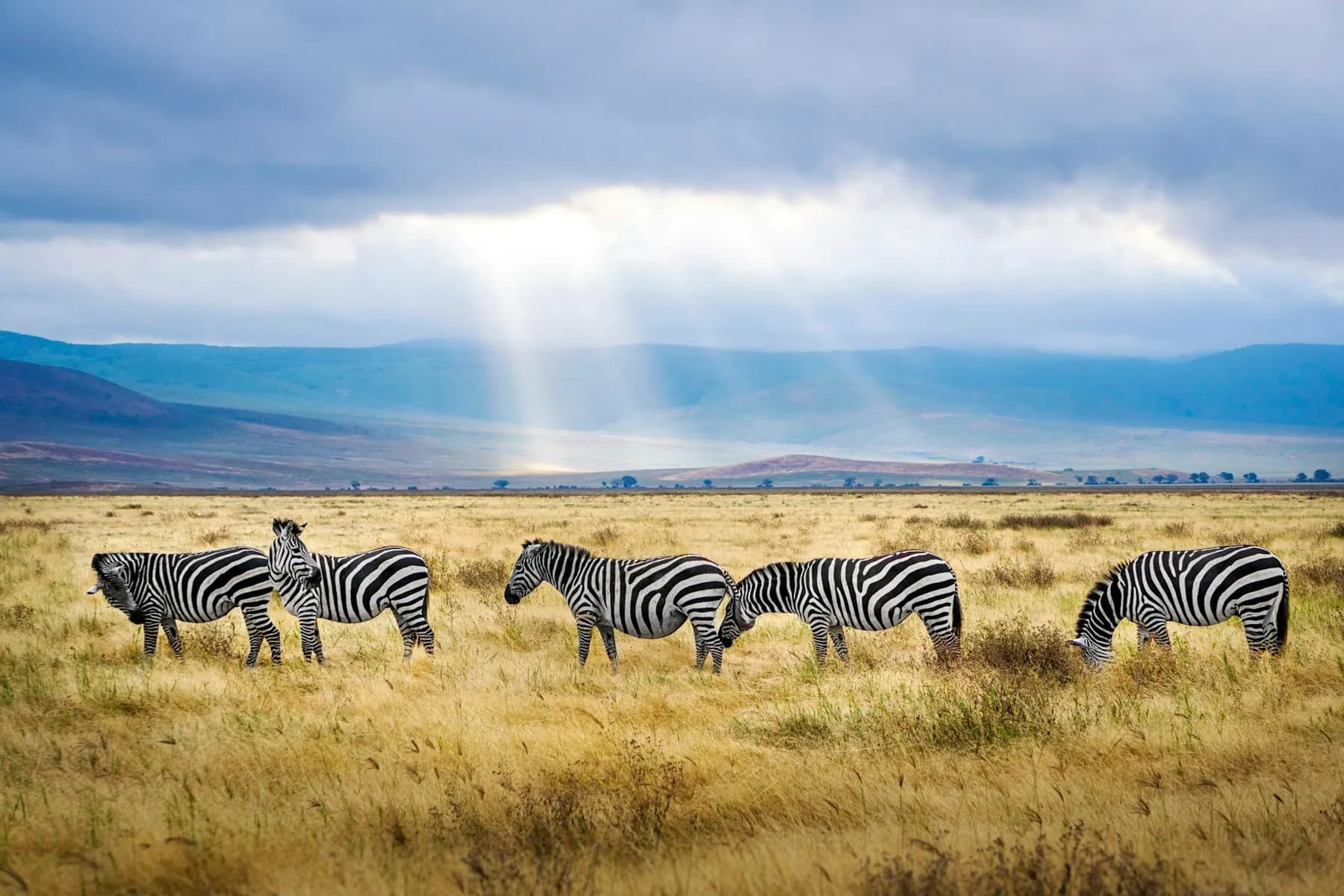
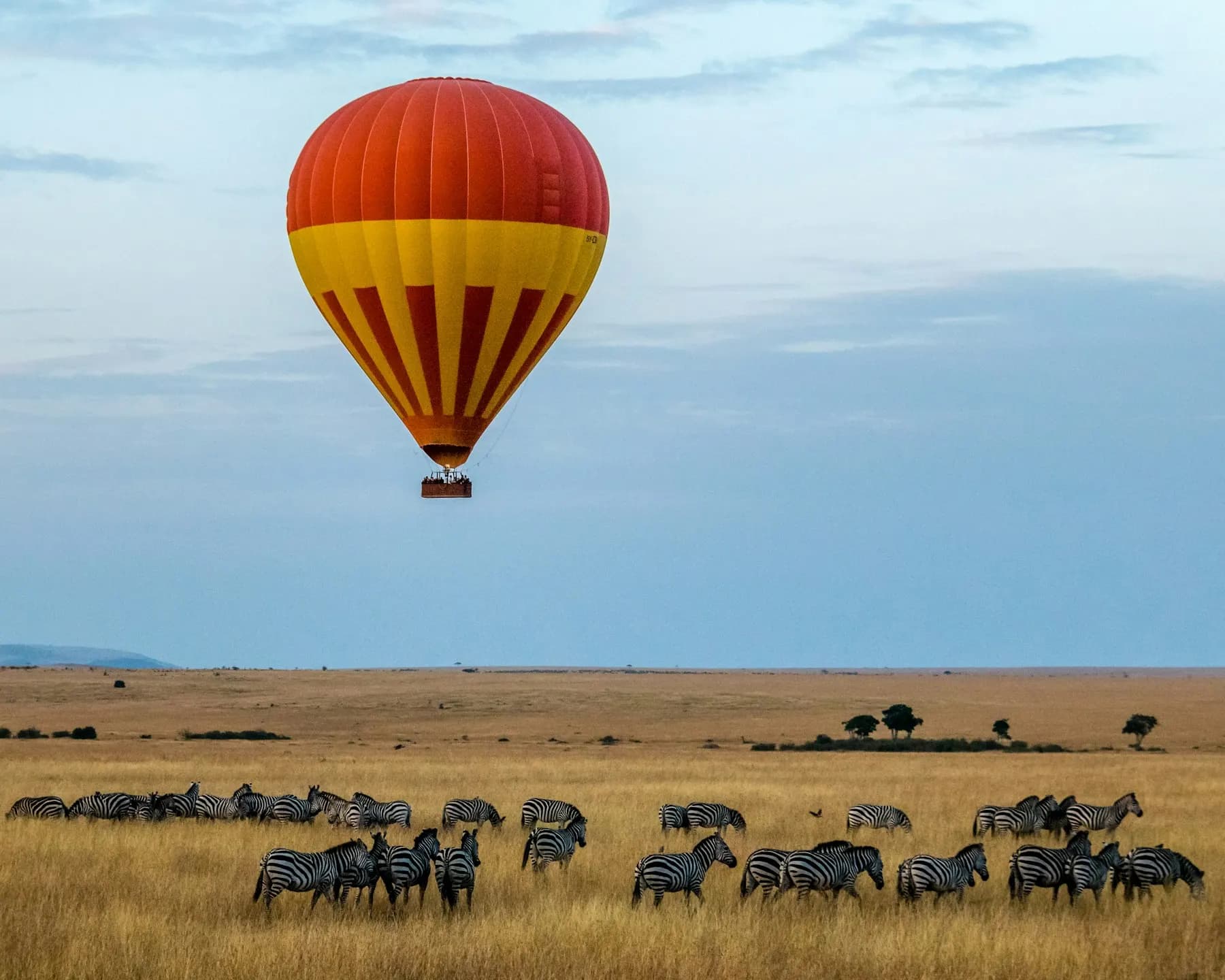
Each year, vast herds of wildebeest and zebra move through the Serengeti ecosystem in search of fresh grazing. Their route follows the rains, so where they are depends on the season and on that year’s conditions.
Planning a migration safari means choosing the right part of the ecosystem for your travel dates and basing yourself there for long enough to make the most of it. We talk through the options honestly: the herds are wild and unpredictable, and a river crossing can never be promised.
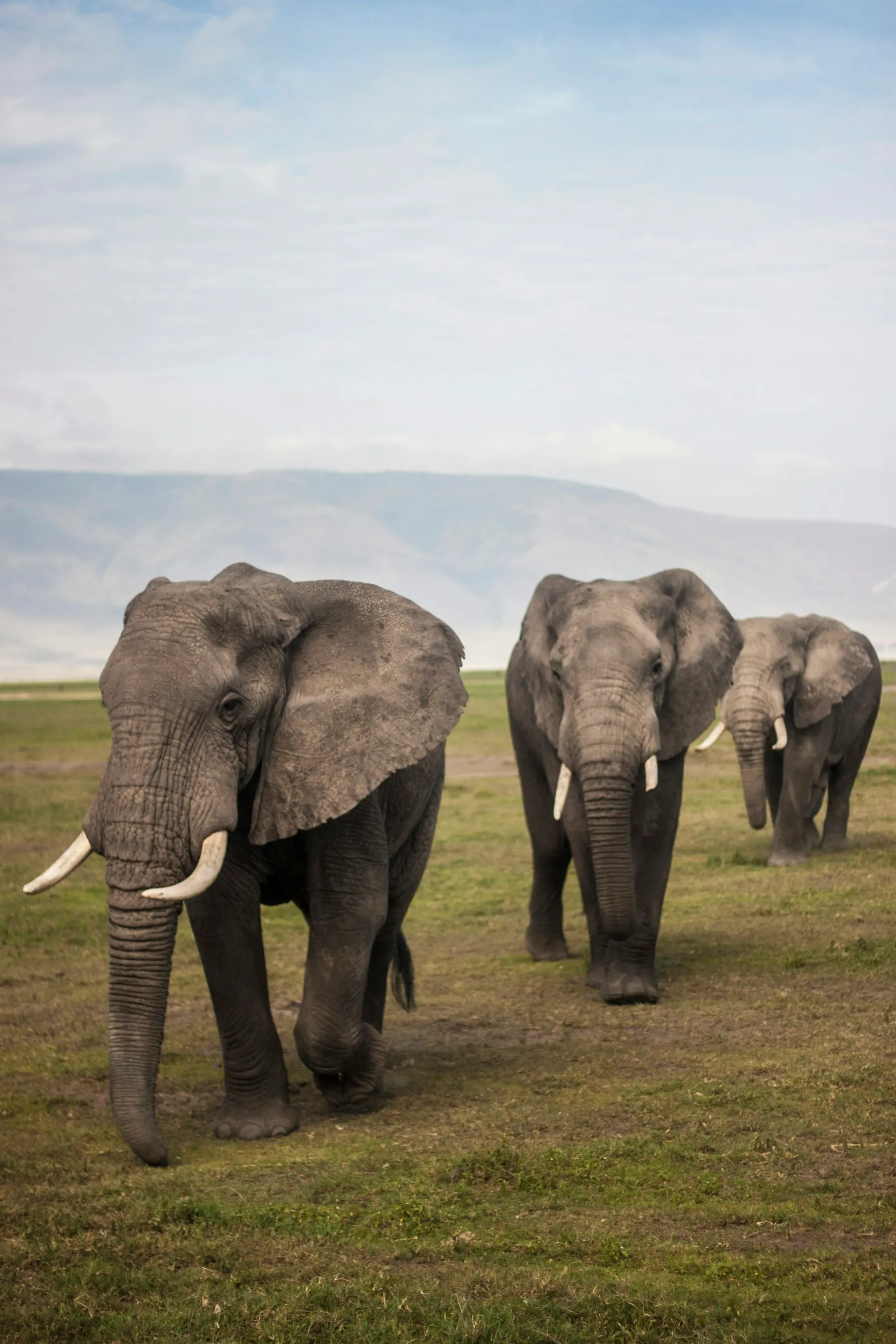
Illustrative photography
WHY YOU WILL LOVE IT
Around January and February, the herds often gather on the southern plains, where many calves are born.
From around July to October, herds may cross the Mara River in the north. Crossings depend on the animals and can require patience.
Large herds attract lions, cheetahs and hyenas, which can bring dramatic moments.
Even between headline moments, the scale of the herds across the plains is extraordinary to see.
WHAT TO EXPECT
Every journey is planned individually. This is the general shape of the experience.
We match your dates to the part of the ecosystem where the herds are most likely to be.
A camp in the right region reduces driving time and gives you more hours with the wildlife.
Migration safaris often include full-day game drives with a picnic lunch.
Your guide follows current movements, which can change from week to week.
WHEN TO GO
Typical conditions by month for the places involved. This month is highlighted using Tanzania time.
Tanzania · local time (EAT)
ITINERARIES
Start with one of these and we will adjust it to your dates, pace and travel style.
6 days safari
PriceOn requestPersonal quotation
Routes and stays can be adapted. Your Eastara proposal confirms availability, accommodation, services and the price for your travel dates. Photographs are illustrative.
GOOD TO KNOW
Practical notes from our team
Some camps move with the seasons to stay close to the herds. Availability is limited at popular times, so early planning helps.
Scheduled light-aircraft flights can save long road transfers between the regions of the Serengeti.
A migration safari pairs well with the Ngorongoro Crater and a few days in Zanzibar.
The migration is a natural event. We plan for the best chance, not a fixed outcome.
QUESTIONS
Straight answers before the conversation.
No. Crossings happen when the herds decide to cross. We can base you in a seasonally suitable area and give you time to wait, but sightings cannot be promised.
It depends on what you want to see. January to February suits calving in the south, while July to October is the usual period for northern river crossings.
Allow at least three nights in the migration area so you have time to follow the herds.
MORE TO EXPLORE
YOUR NEXT CHAPTER
Tell us your dates, who is travelling and what you would like to experience. We will shape the details together.