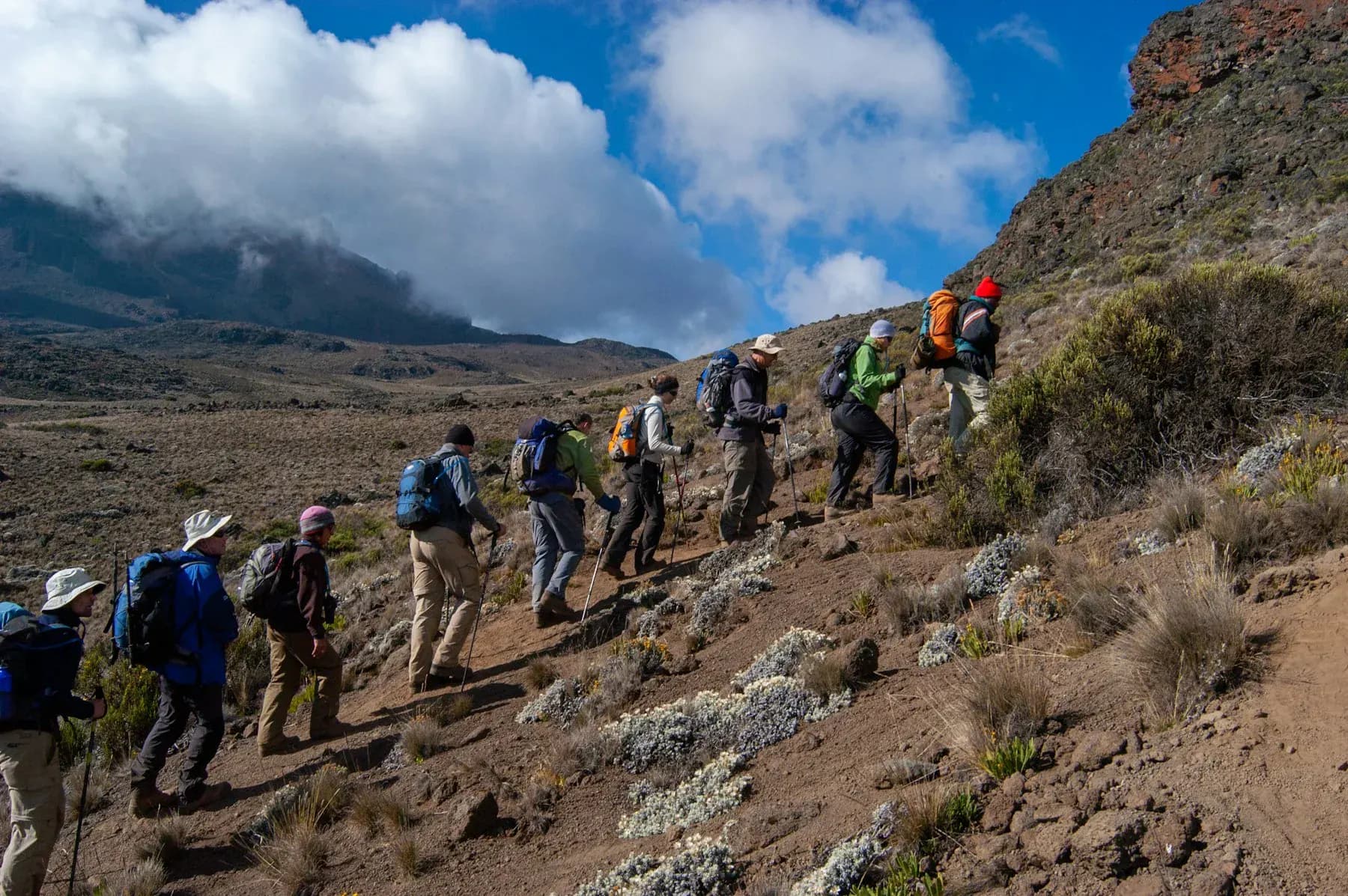
Guided game drives
Explore in a 4x4 safari vehicle with an experienced guide who knows where to look and when to wait.
Time in the wild, at a pace that lets you notice more.
Game drives across Tanzania’s northern parks, planned around the wildlife, landscapes and rhythm you want.
THE EXPERIENCE
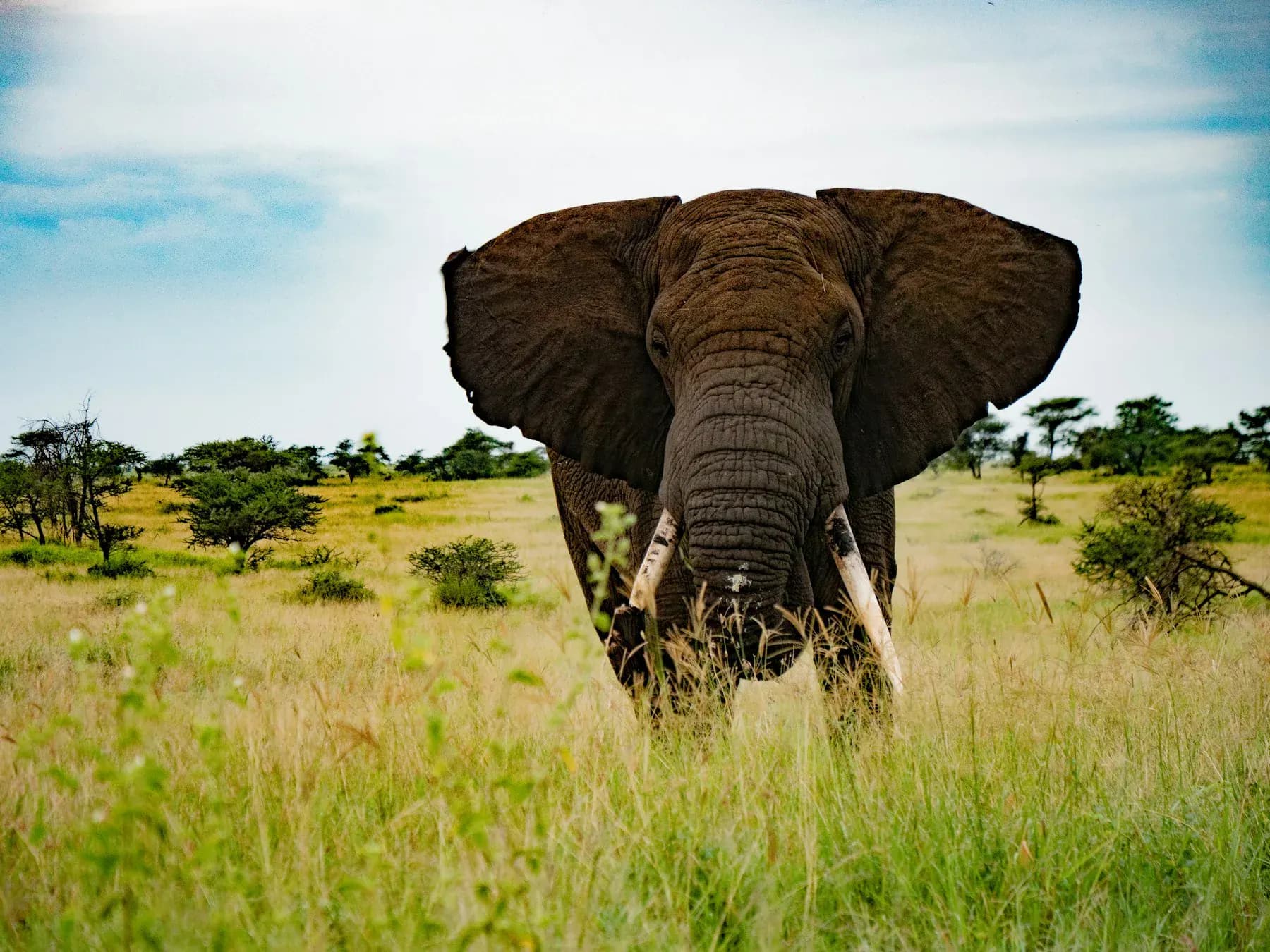
A Tanzania safari is more than a list of animals. It is the light on the plains at dawn, the patience of waiting by a river, and a guide who reads the landscape for you.
The northern circuit brings very different places within reach of each other: the open Serengeti, the volcanic Ngorongoro Crater, the baobab country of Tarangire and the forest and lake of Manyara. We help you choose how many to include, how long to stay in each and where to sleep, so the journey feels connected rather than rushed.
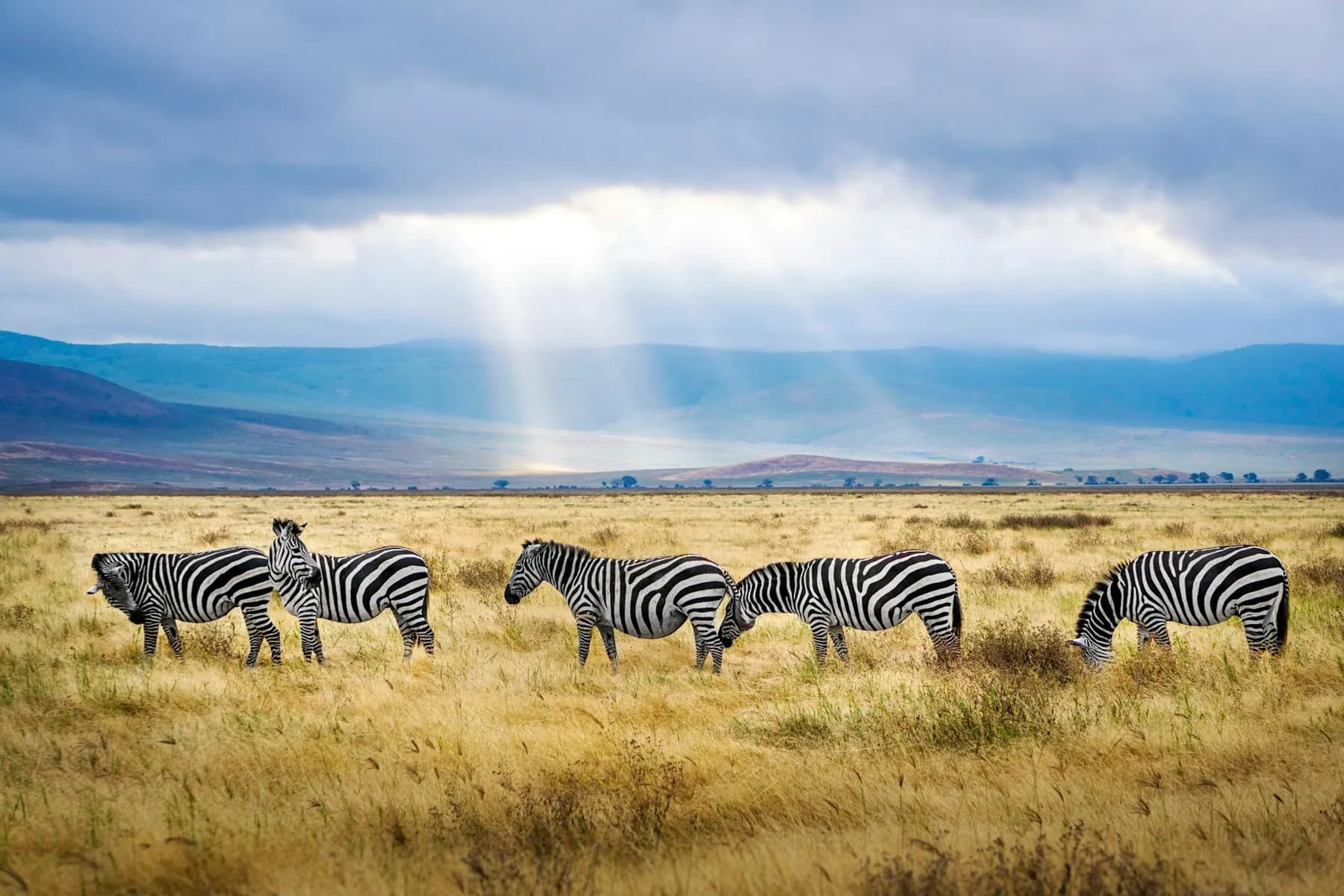
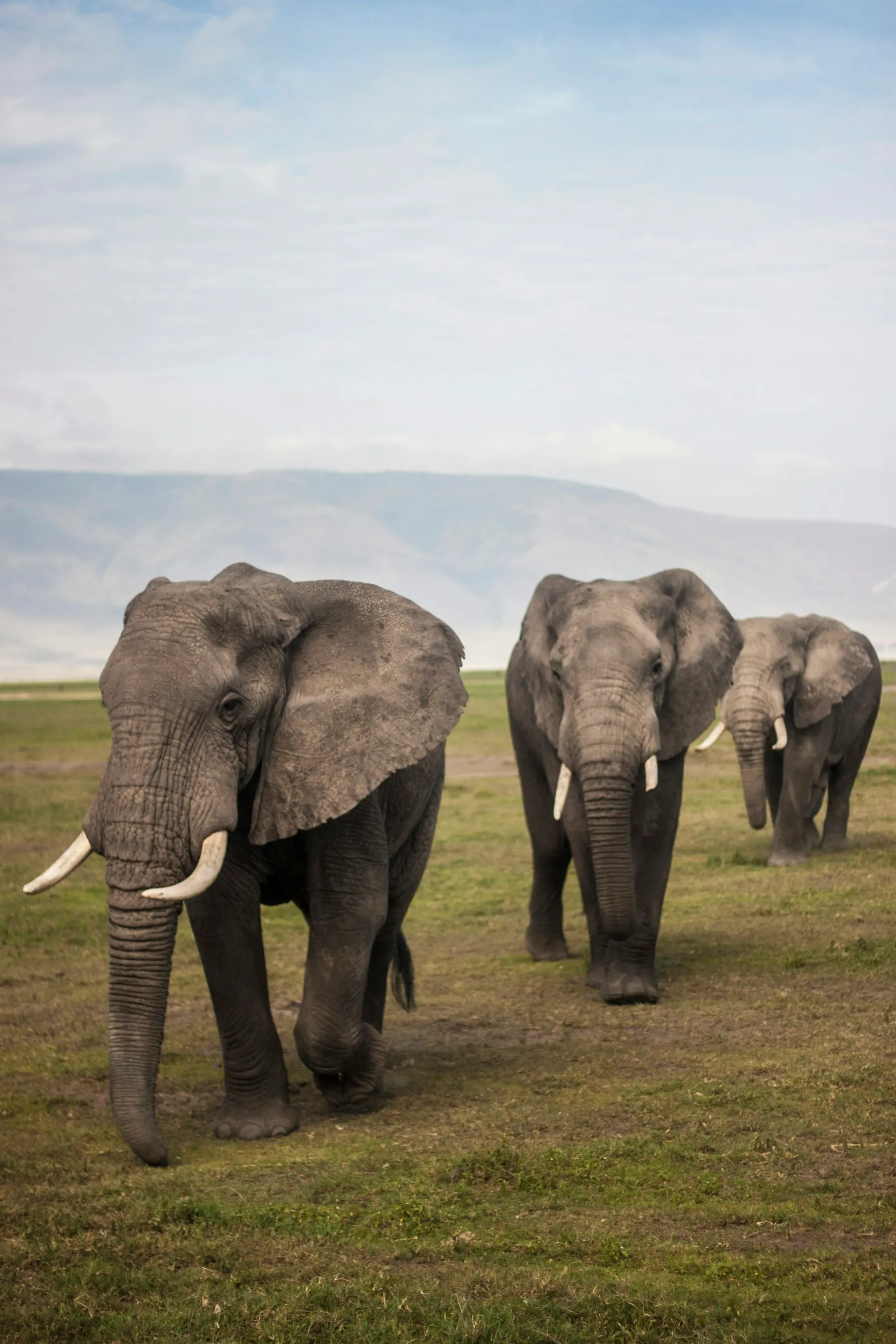
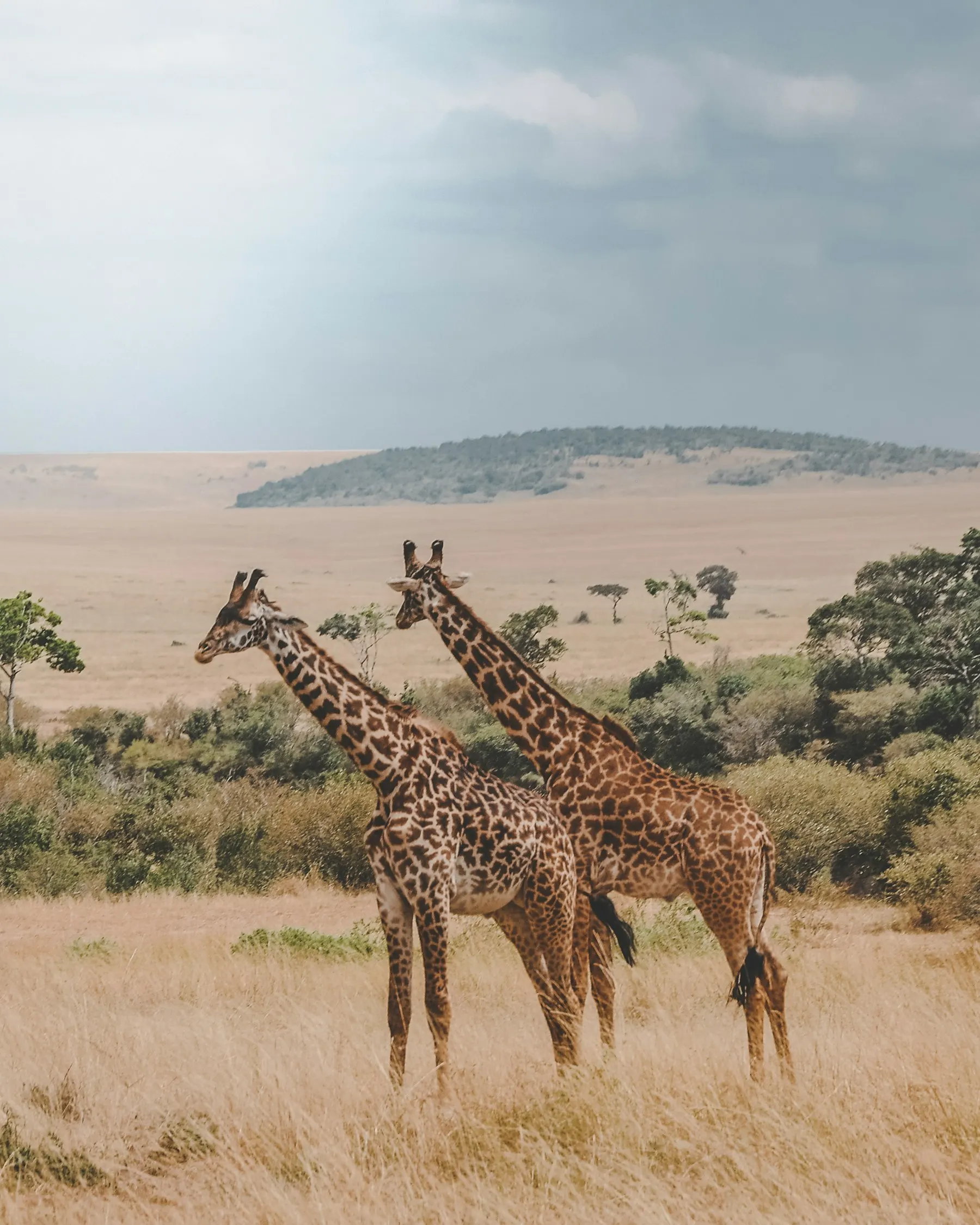
Illustrative photography
WHY YOU WILL LOVE IT
Explore in a 4x4 safari vehicle with an experienced guide who knows where to look and when to wait.
Open grassland, a volcanic caldera, river valleys and lakeshore forest, each with its own character.
Beyond the migration, the parks support elephants, big cats, giraffes, buffalo and a remarkable variety of birds.
Choose full days in the field or a slower rhythm with time to rest between drives.
WHAT TO EXPECT
Every journey is planned individually. This is the general shape of the experience.
Many game drives begin around sunrise, when animals are often most active and the light is soft.
Spend the morning exploring. Your guide adjusts the route to conditions, sightings and your interests.
Return to camp or enjoy a picnic lunch, depending on the park and the plan for the day.
Head out again as the heat eases, returning to camp around sunset for dinner.
WHEN TO GO
Typical conditions by month for the places involved. This month is highlighted using Tanzania time.
Tanzania · local time (EAT)
ITINERARIES
Start with one of these and we will adjust it to your dates, pace and travel style.
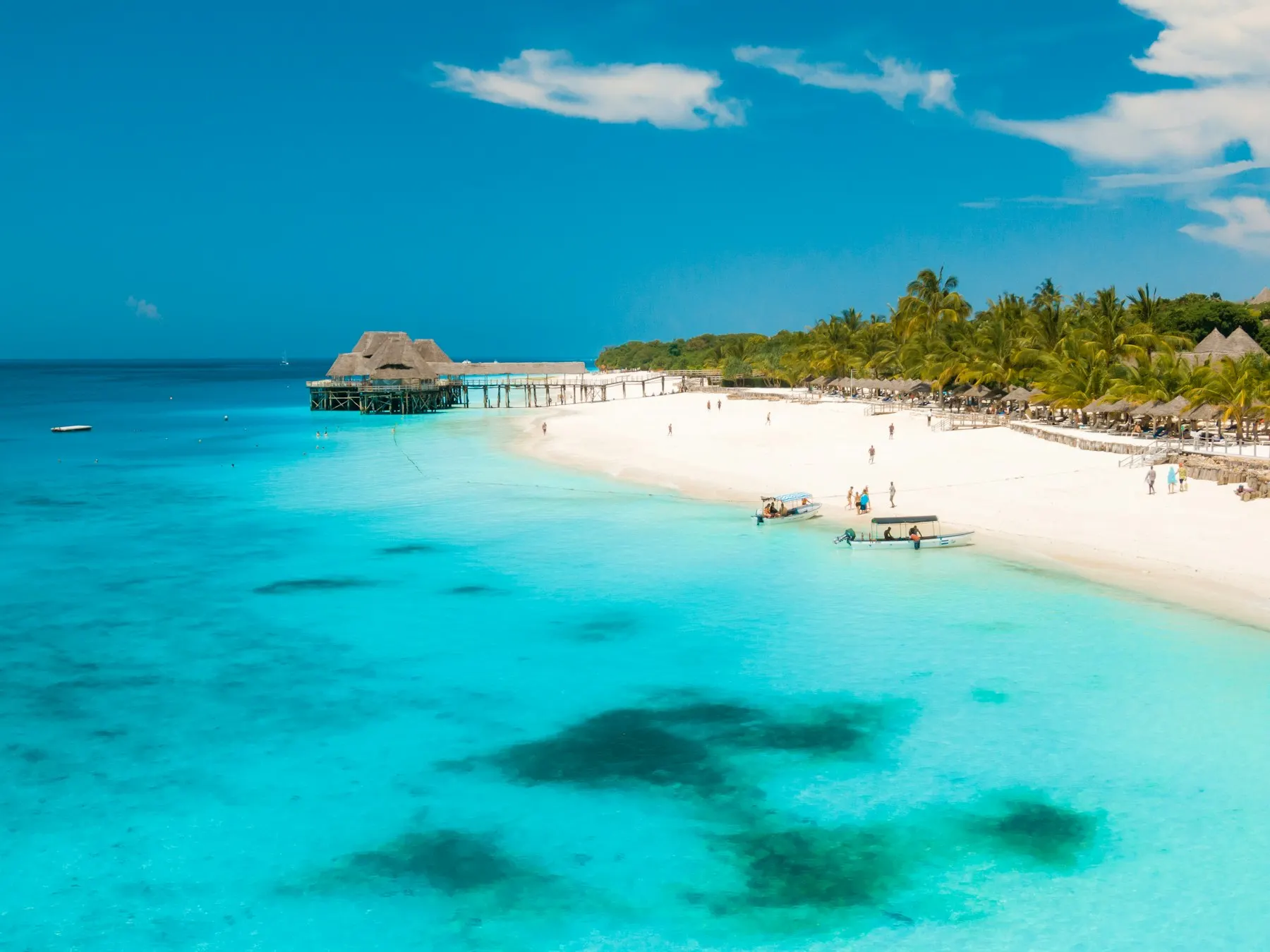
7 days safari & beach
PriceOn requestPersonal quotation
11 days safari
PriceOn requestPersonal quotation
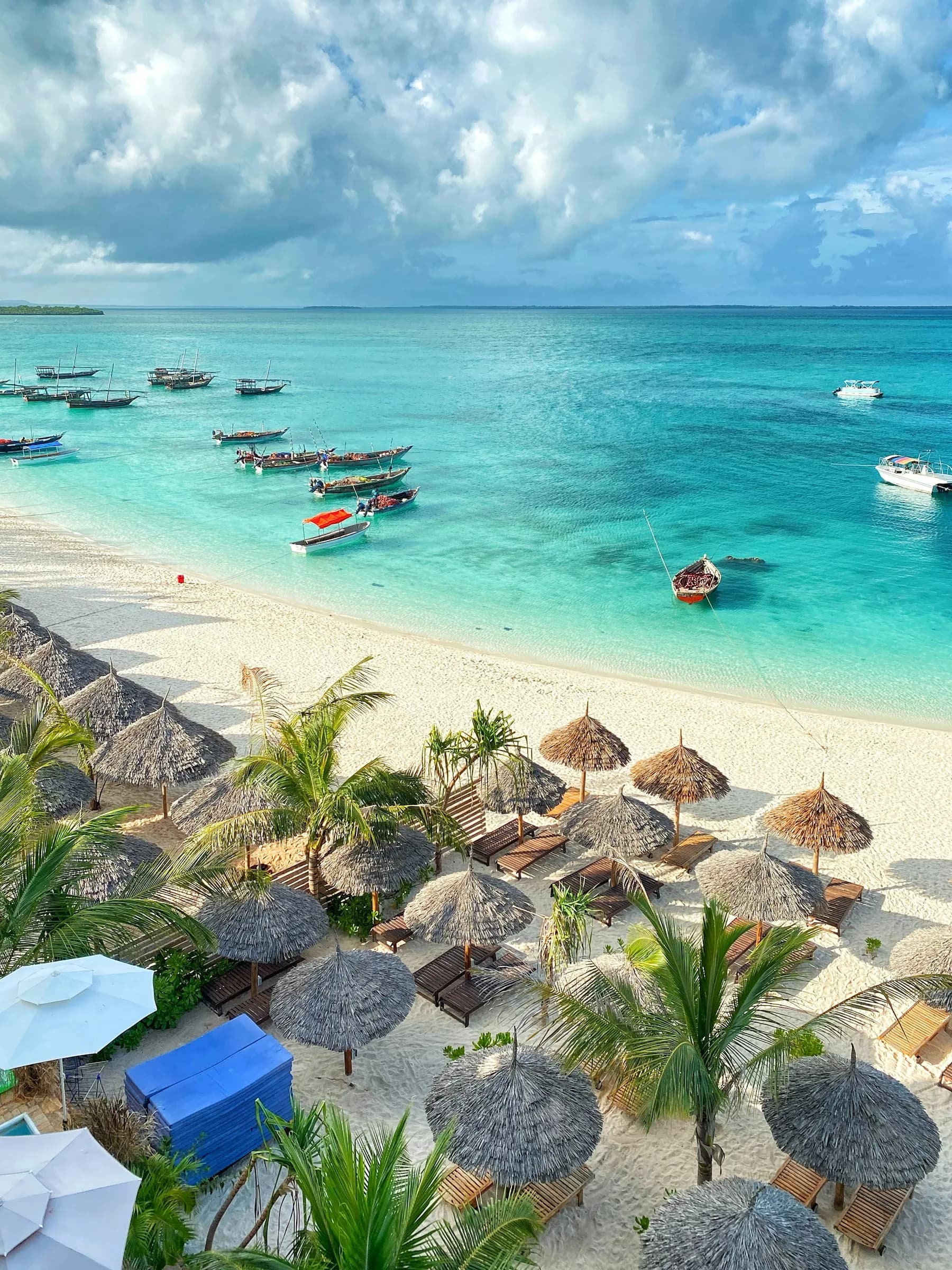
10 days safari & beach
PriceOn requestPersonal quotation
3 days safari
PriceOn requestPersonal quotation
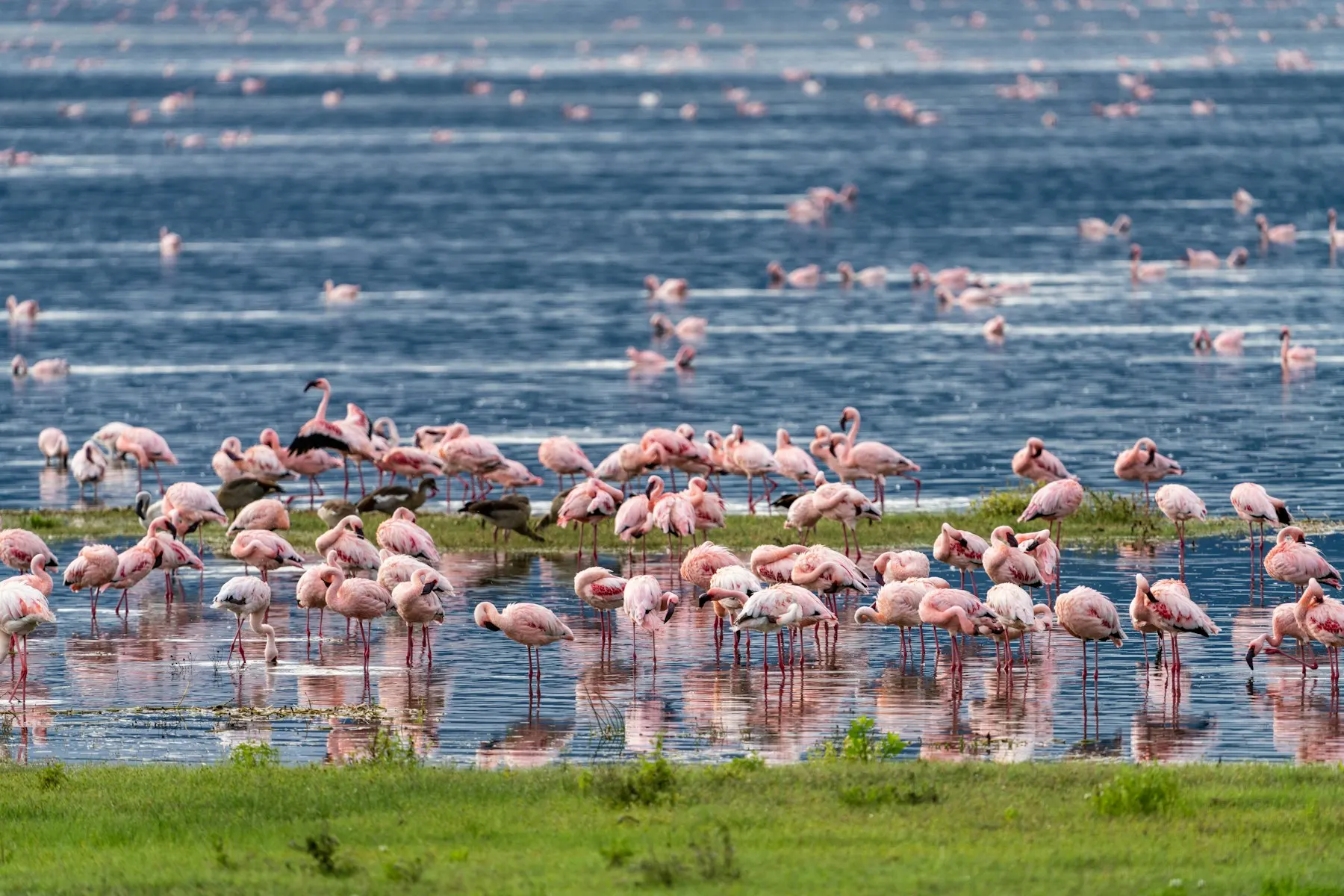
4 days safari
PriceOn requestPersonal quotation
5 days safari
PriceOn requestPersonal quotation
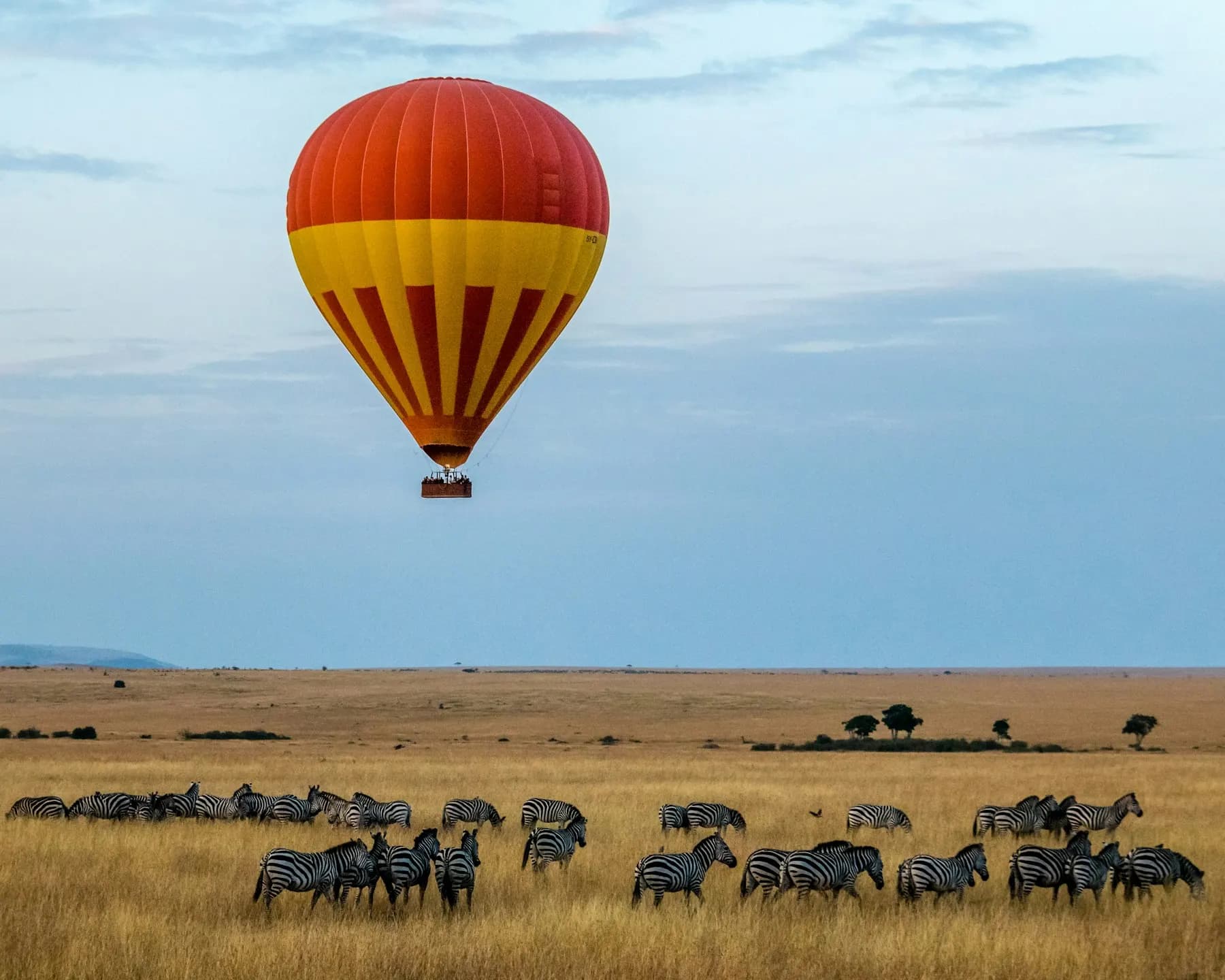
6 days safari
PriceOn requestPersonal quotation
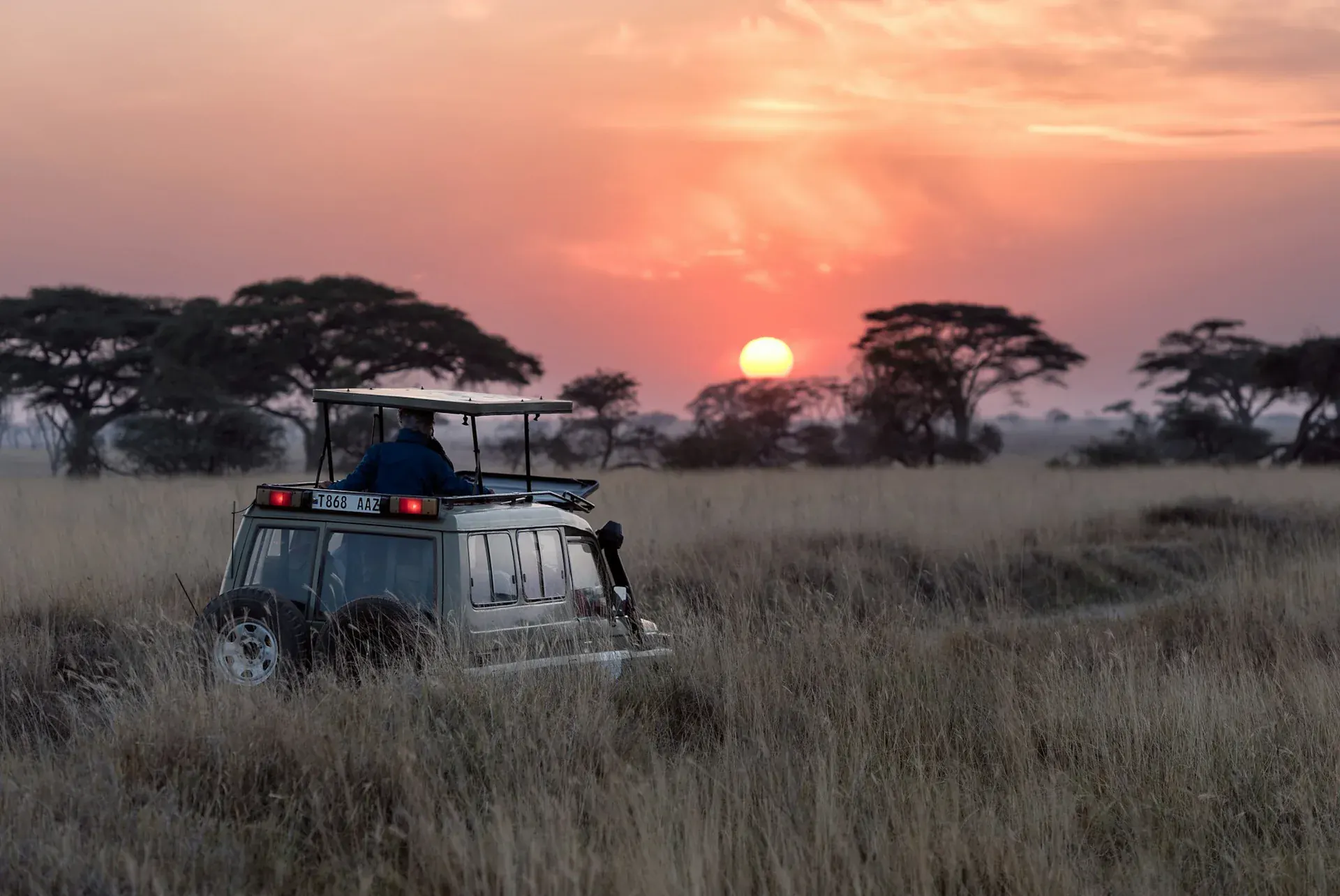
7 days safari
PriceOn requestPersonal quotation
8 days safari
PriceOn requestPersonal quotation
9 days safari & beach
PriceOn requestPersonal quotation
6 days safari & beach
PriceOn requestPersonal quotation
12 days safari & beach
PriceOn requestPersonal quotation
3 days safari
PriceOn requestPersonal quotation
4 days safari
PriceOn requestPersonal quotation
4 days safari
PriceOn requestPersonal quotation
4 days safari
PriceOn requestPersonal quotation
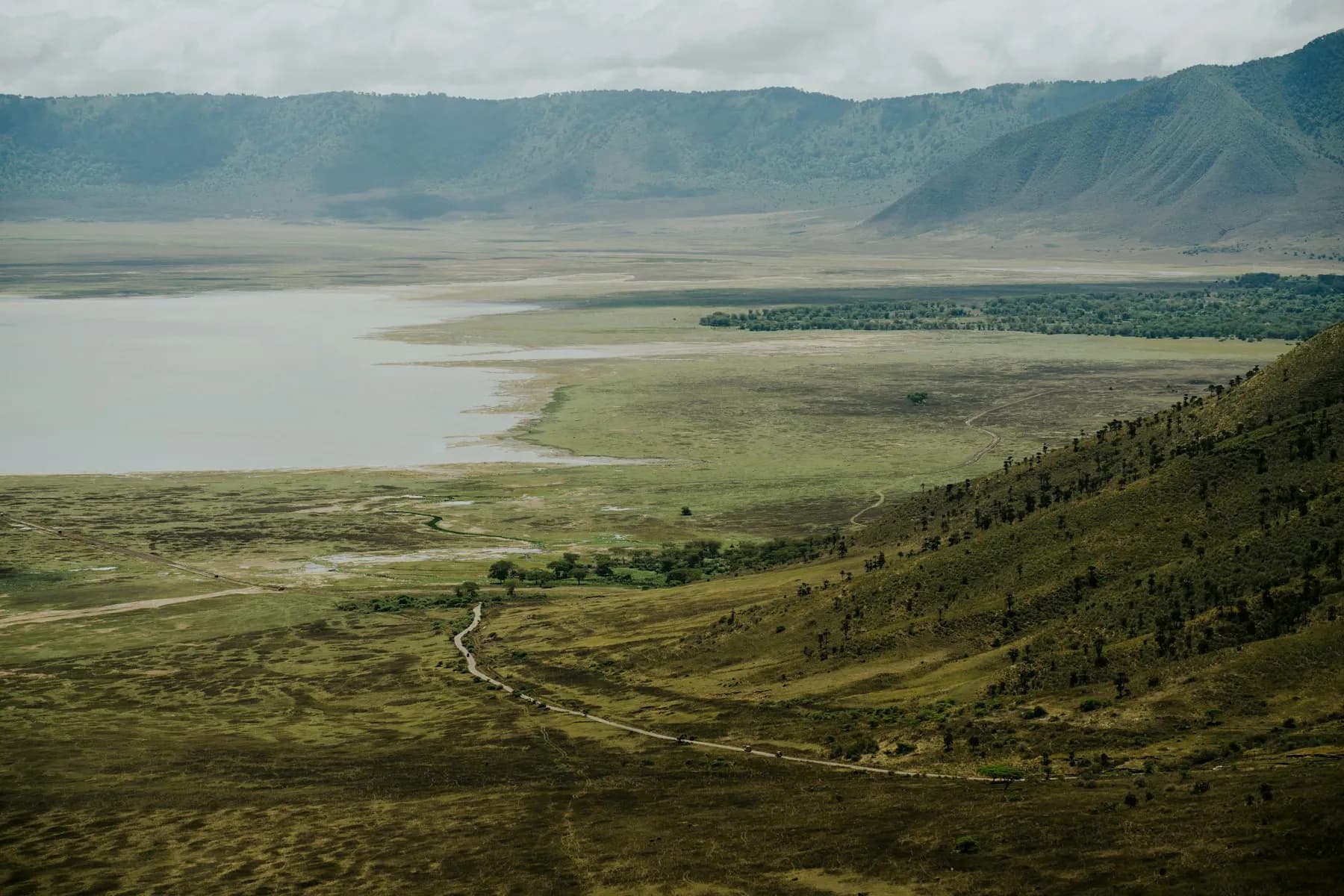
5 days safari
PriceOn requestPersonal quotation
Routes and stays can be adapted. Your Eastara proposal confirms availability, accommodation, services and the price for your travel dates. Photographs are illustrative.
GOOD TO KNOW
Practical notes from our team
Programmes typically use a private 4x4 safari vehicle with a pop-up roof for viewing and photography. The vehicle is confirmed in your proposal.
Choose between lodges and tented camps. Location matters as much as style, because it shapes how much time you spend driving.
Neutral clothing, layers for cool mornings, sun protection, binoculars and a camera you are comfortable using.
Sightings vary from day to day. A good safari leaves room for the unexpected rather than promising specific encounters.
QUESTIONS
Straight answers before the conversation.
Many travellers choose five to seven days to include two or three parks without rushing. Shorter safaris can work well when time is limited.
June to October is a popular drier window, and January to February is another good period. Wildlife is present all year; the experience changes with the seasons.
Yes. Many journeys finish with a few days on the coast. Flights and transfers are arranged around your safari.
MORE TO EXPLORE
YOUR NEXT CHAPTER
Tell us your dates, who is travelling and what you would like to experience. We will shape the details together.