Changing landscapes
Climb through forest, moorland and high desert before the final push to the summit.
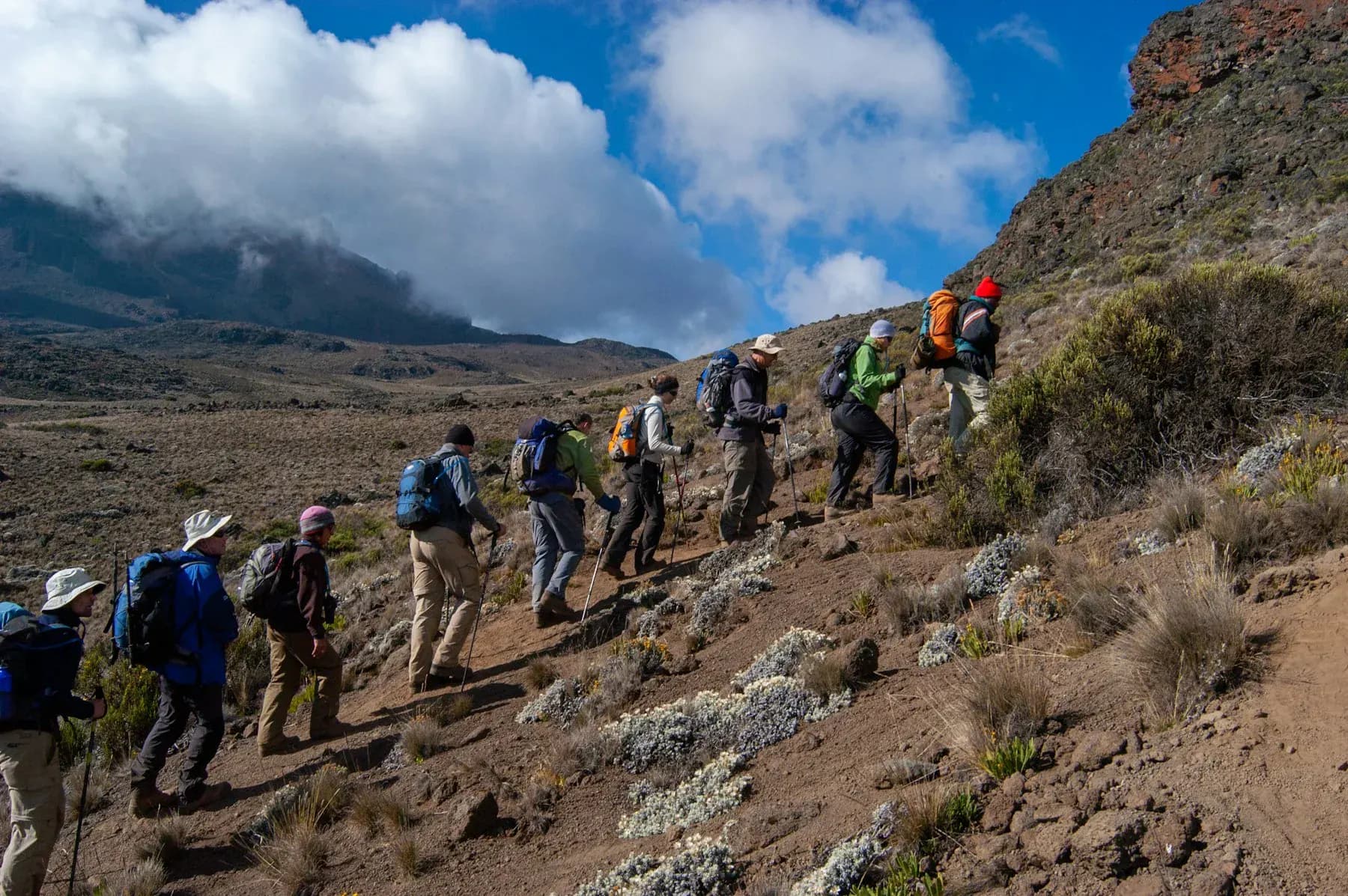
Africa’s highest mountain, one considered step at a time.
Guided climbs on established routes, with time for acclimatisation and a full mountain crew.
THE EXPERIENCE
Standing on the roof of Africa is a goal that stays with people for life. Reaching it depends on preparation, time on the mountain and a team that puts your safety first.
Each route crosses changing zones, from rainforest and heather to alpine desert and the glaciated summit. We help you compare routes and durations, and we recommend allowing enough days for your body to adjust to the altitude.
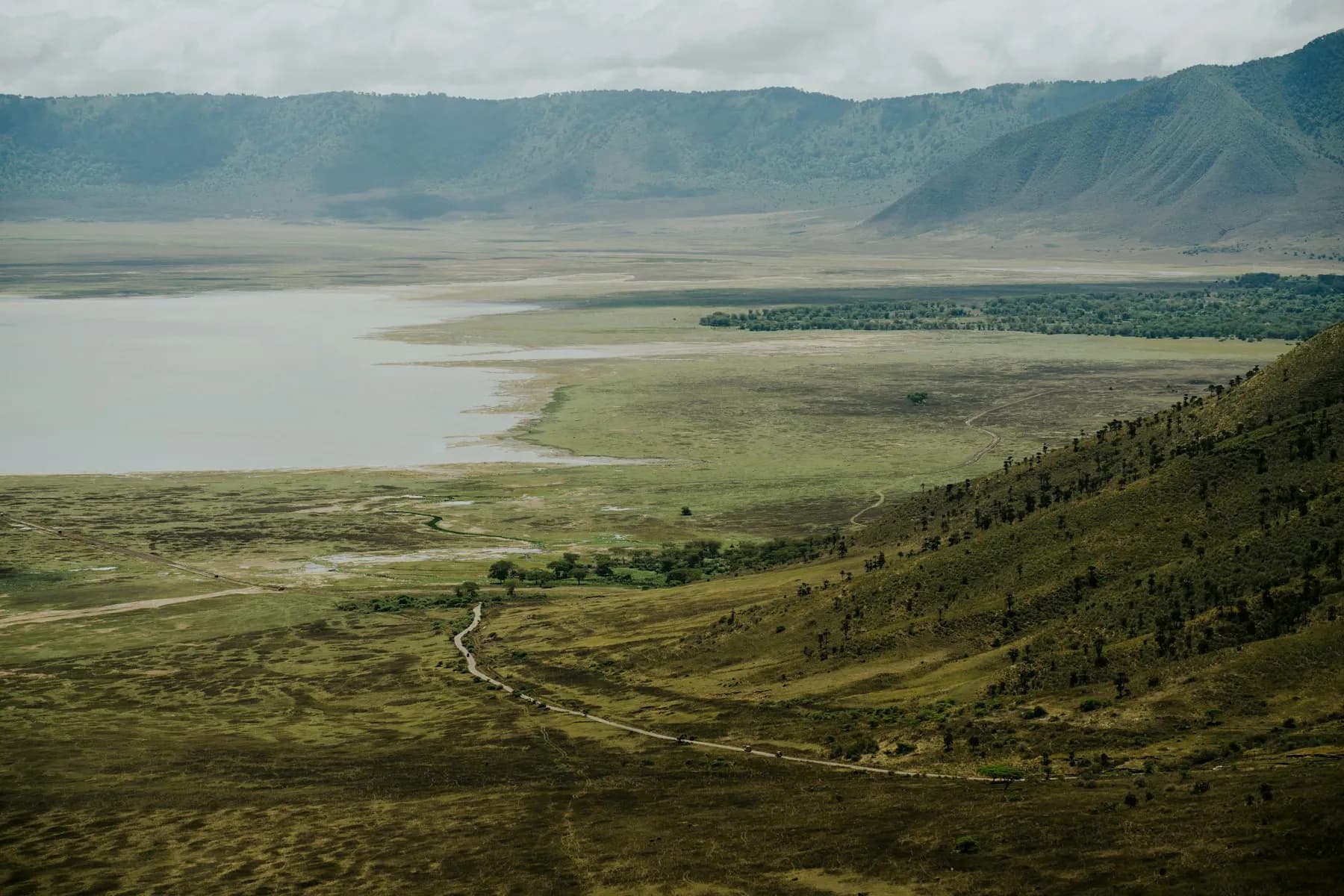
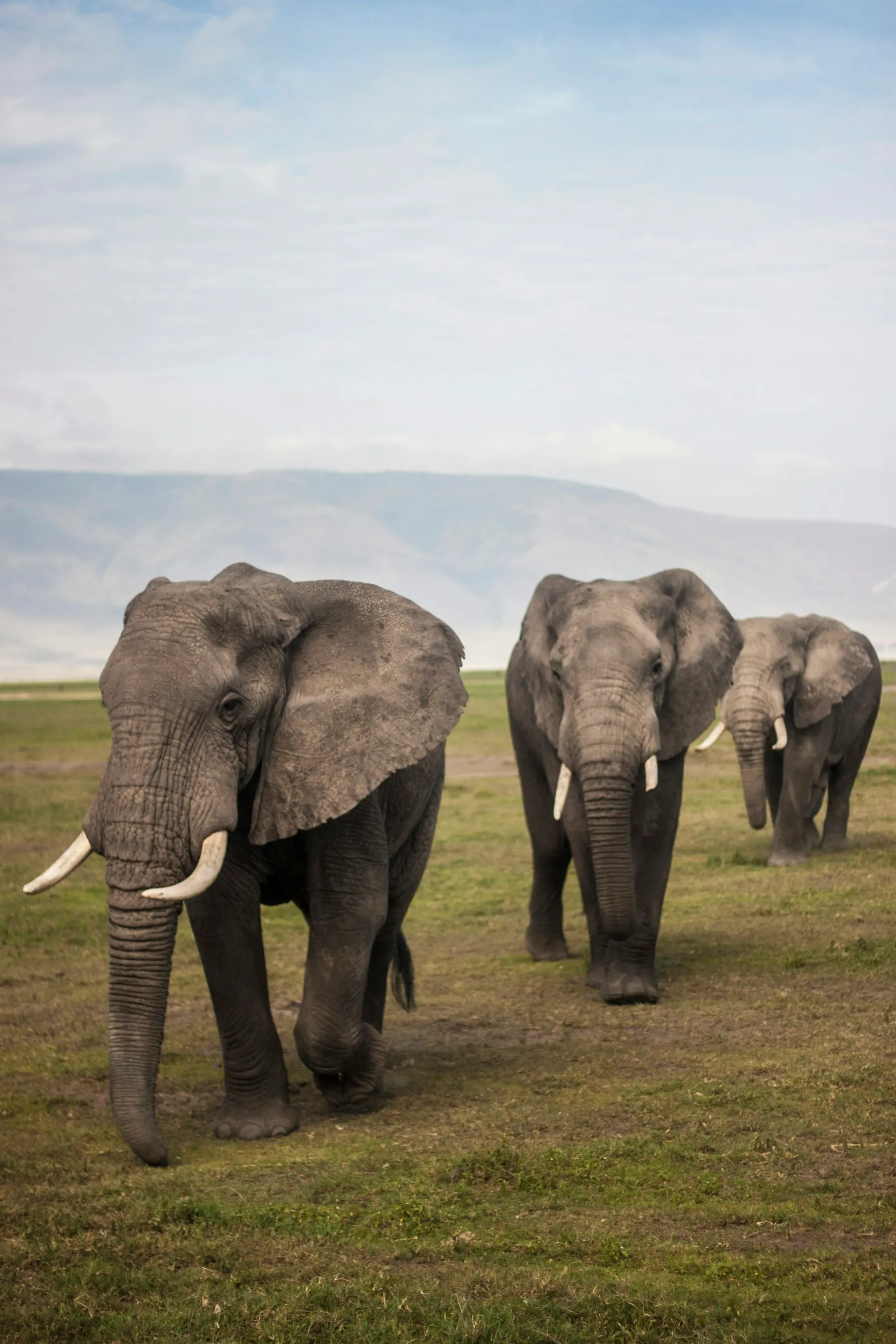
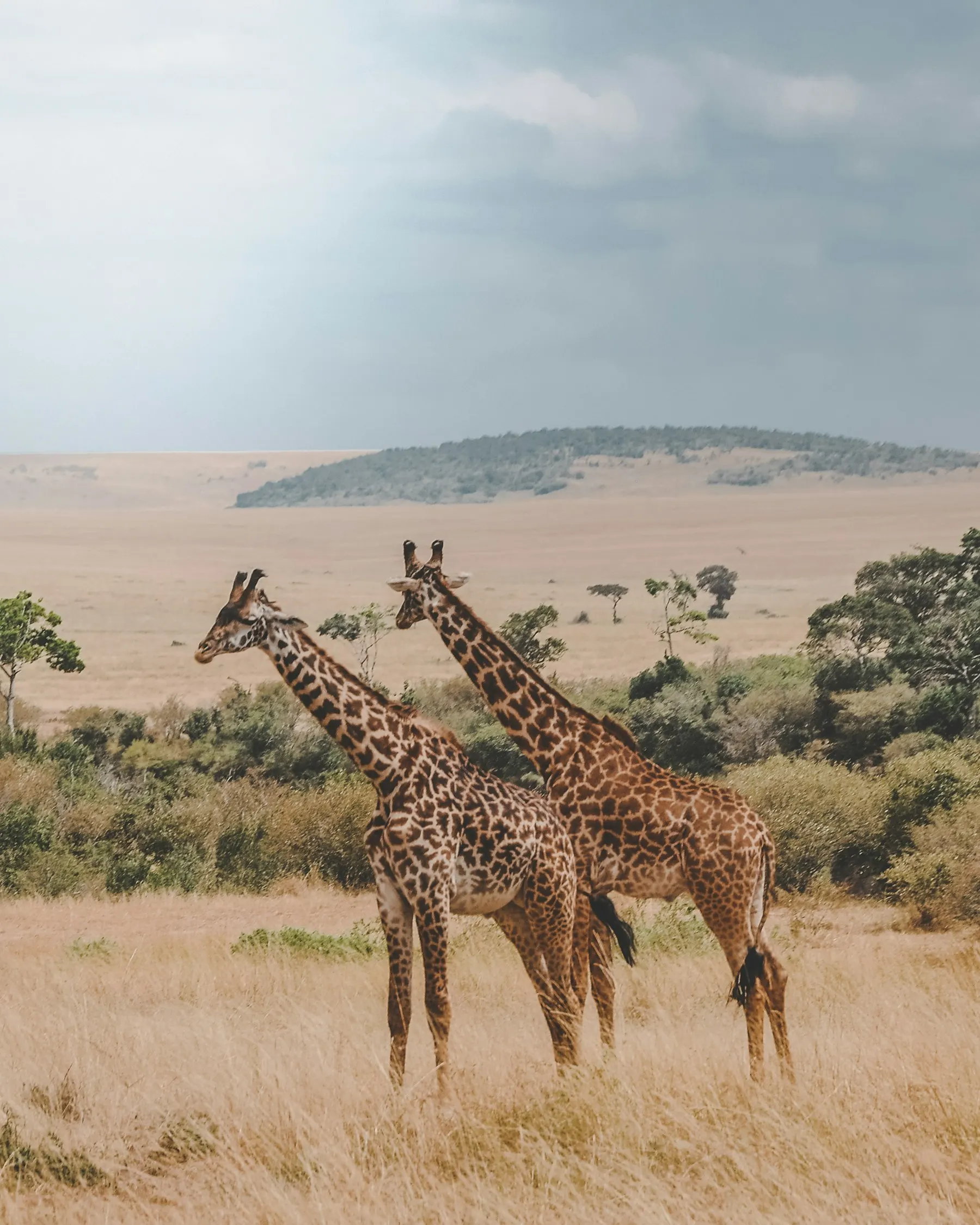
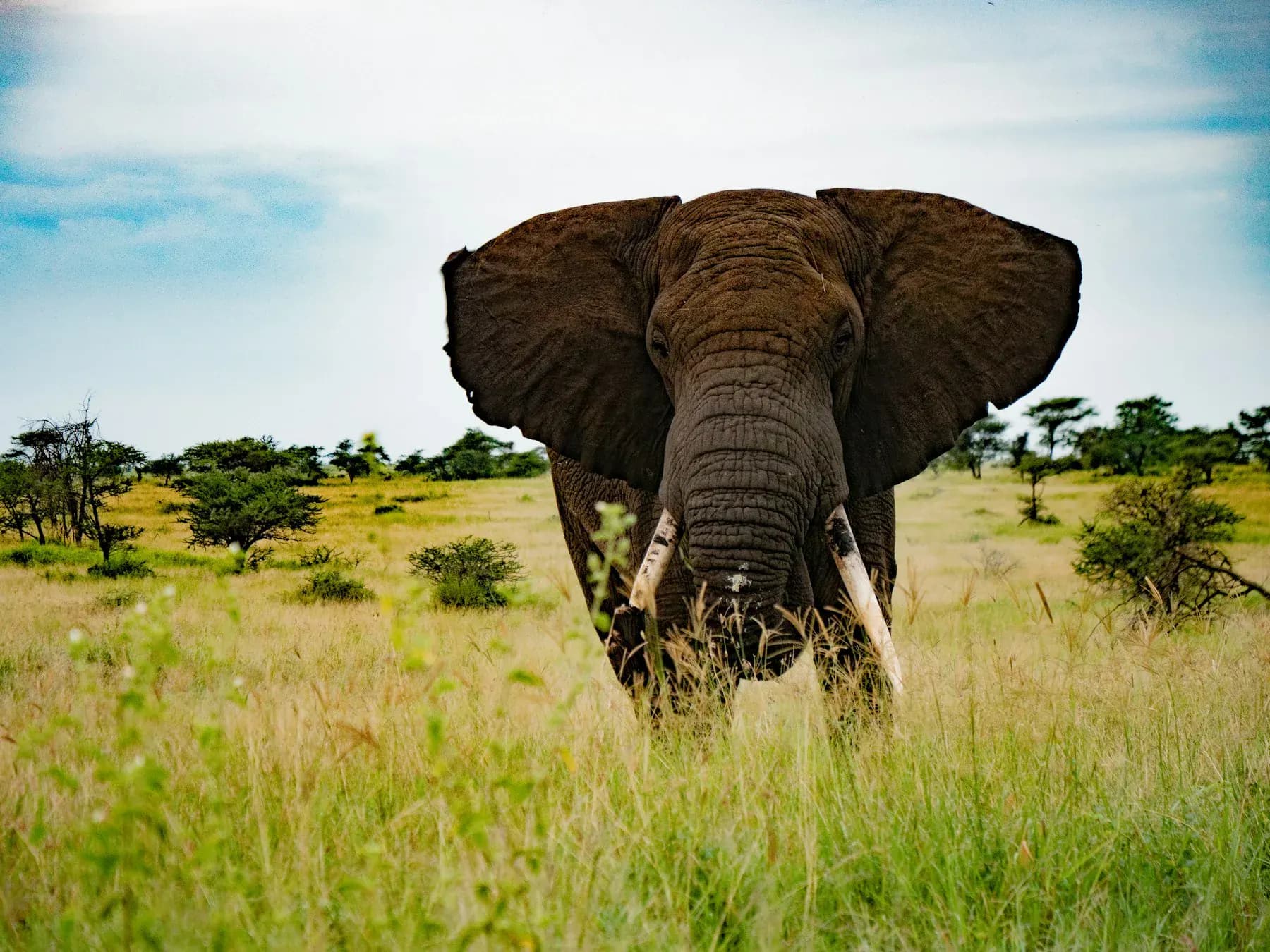
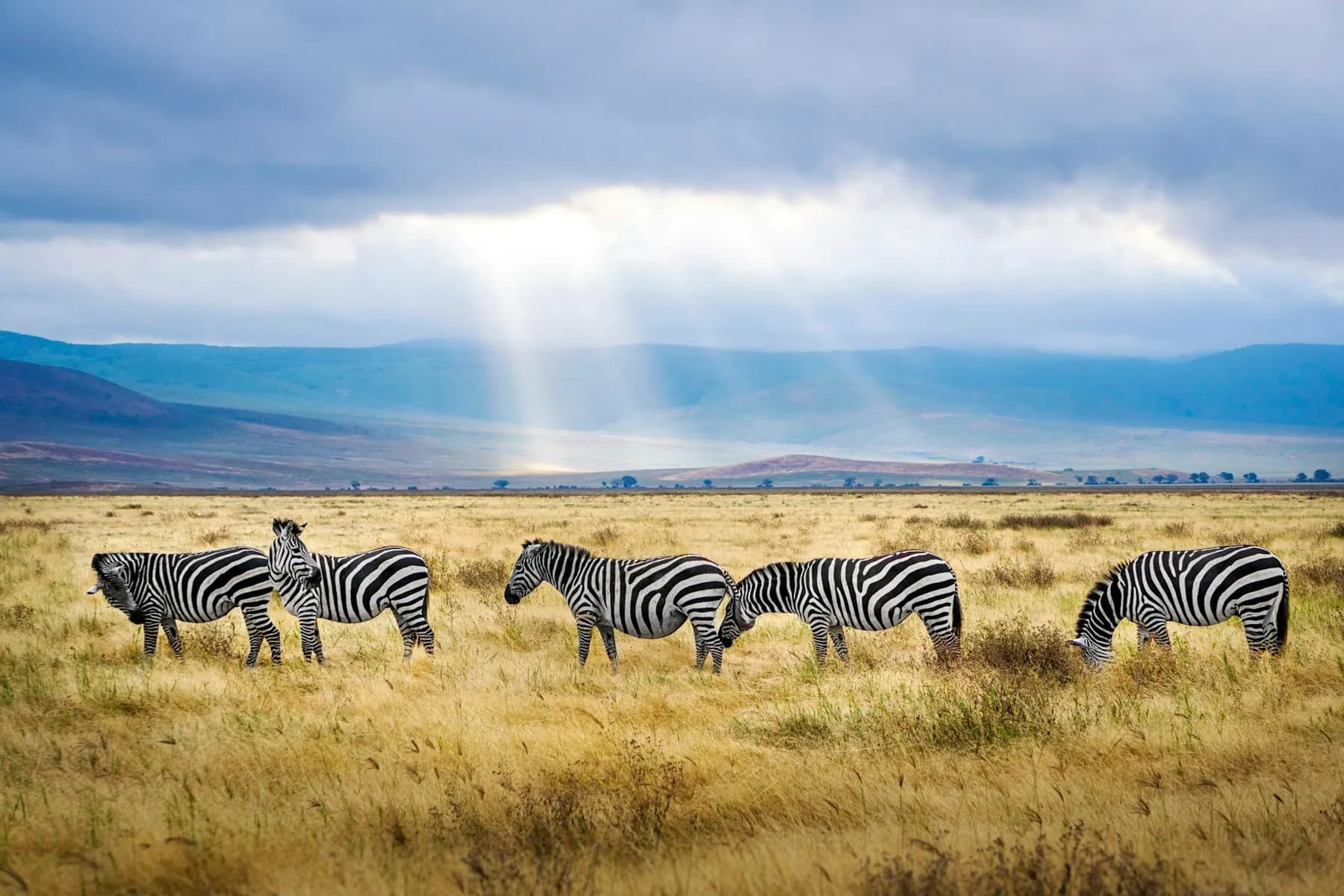
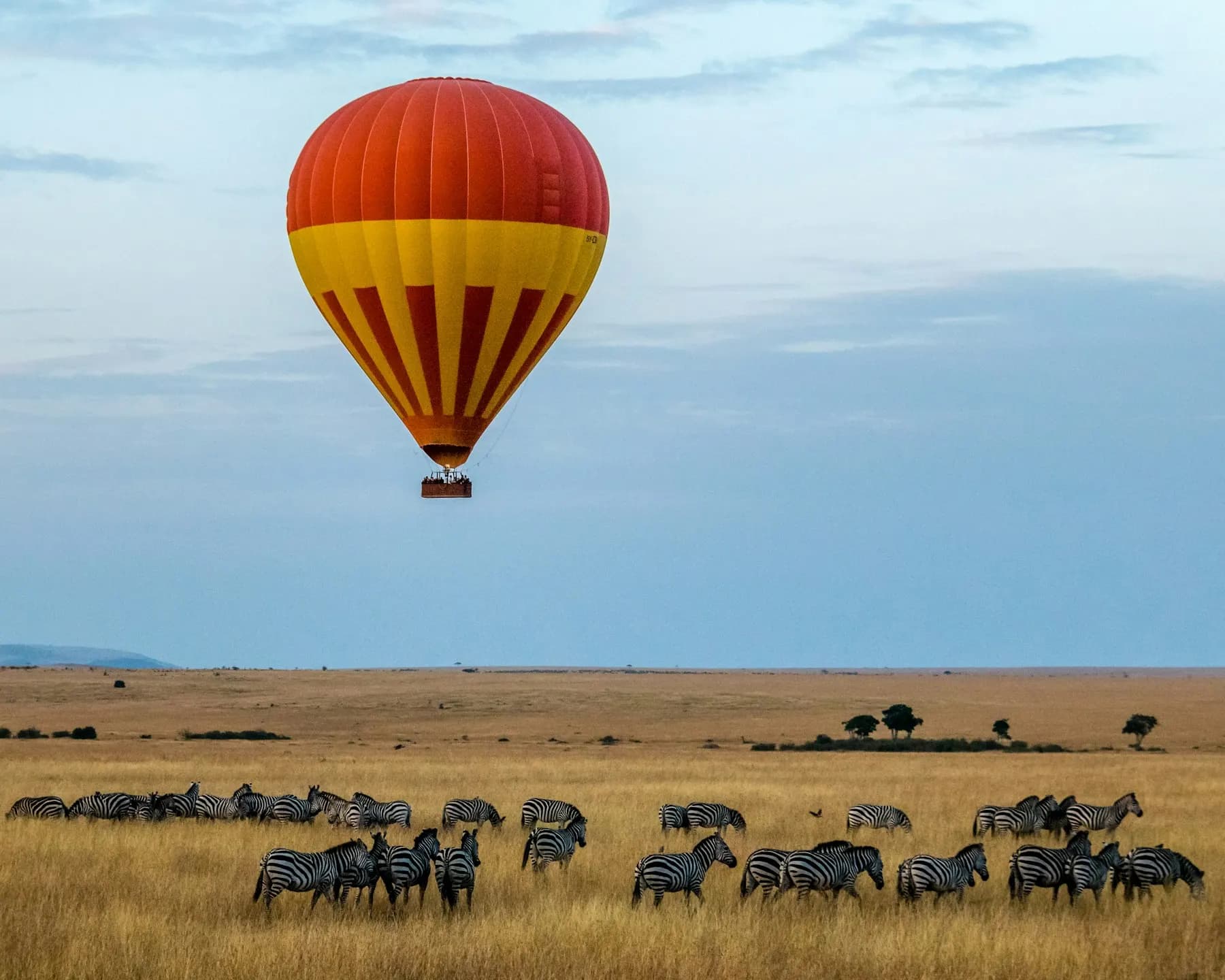
Illustrative photography
WHY YOU WILL LOVE IT
Climb through forest, moorland and high desert before the final push to the summit.
Guides, assistant guides, a cook and porters support each stage of the climb.
Longer routes give your body more time to adjust, which can improve your chance of reaching the top.
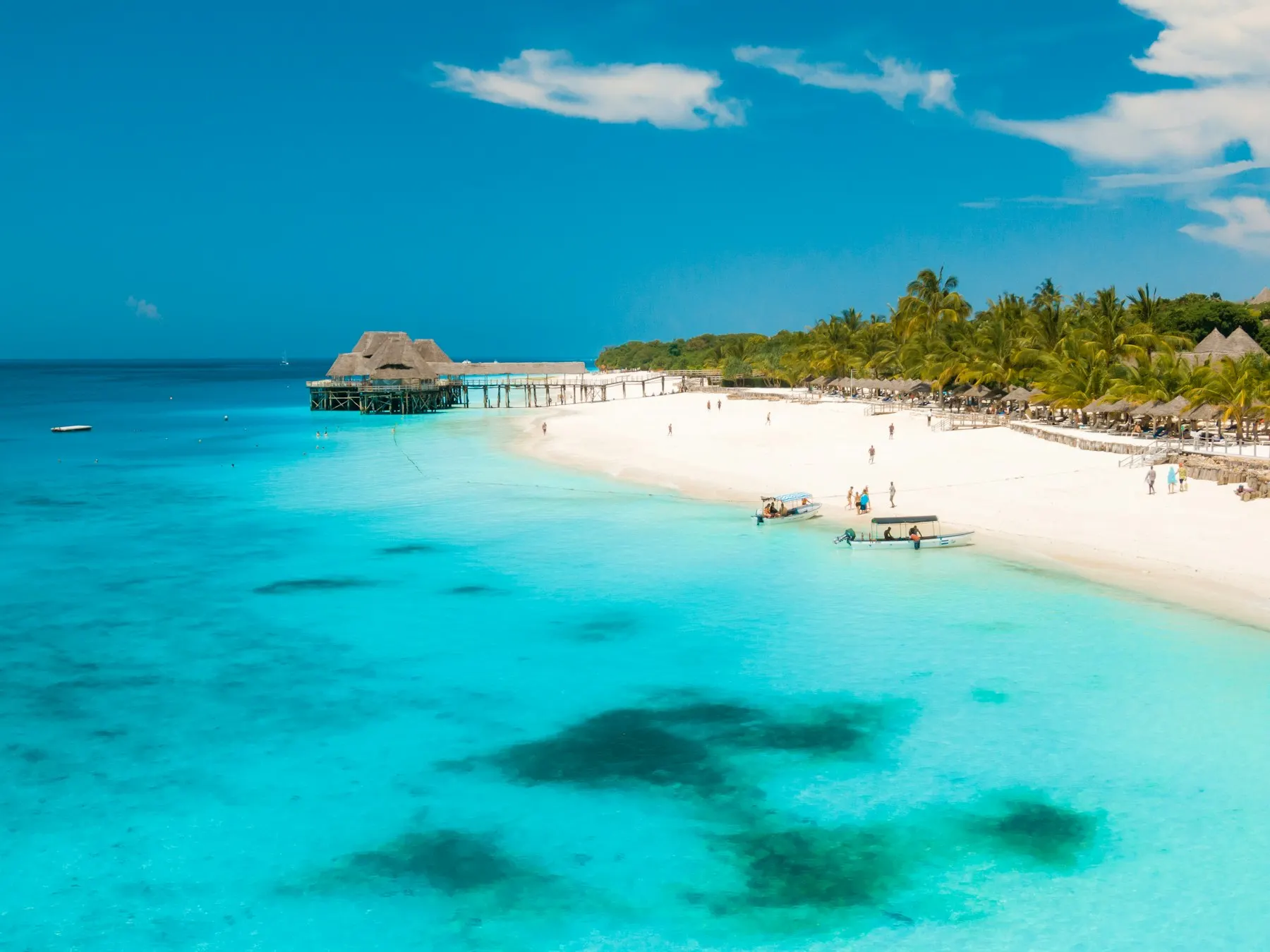
Many climbers add a few days on safari or in Zanzibar after the mountain.
WHAT TO EXPECT
Every journey is planned individually. This is the general shape of the experience.
Meet your guide, check your equipment and prepare for the climb.
Walk slowly between camps. Pace matters more than speed at altitude.
Most climbers start before midnight to reach the summit around sunrise.
Return through the lower slopes to Moshi for a well-earned rest.
WHEN TO GO
Typical conditions by month for the places involved. This month is highlighted using Tanzania time.
Tanzania · local time (EAT)
ITINERARIES
Start with one of these and we will adjust it to your dates, pace and travel style.
7 days hike
PriceOn requestPersonal quotation
8 days hike
PriceOn requestPersonal quotation
6 days hike
PriceOn requestPersonal quotation
Routes and stays can be adapted. Your Eastara proposal confirms availability, accommodation, services and the price for your travel dates. Photographs are illustrative.
GOOD TO KNOW
Practical notes from our team
You do not need to be a mountaineer, but regular walking and good general fitness make a real difference.
Altitude affects everyone differently. Listen to your guides, and ask your doctor for advice before you travel.
Warm layers, good boots and a quality sleeping bag are essential. We provide a packing list with your proposal.
Conditions change quickly on the mountain. Dry seasons are popular, but rain and cold are possible at any time.
QUESTIONS
Straight answers before the conversation.
It depends on your experience, the number of days you have and the scenery you prefer. Longer routes such as Lemosho allow more time to acclimatise.
January to early March and June to October are commonly chosen for drier conditions.
Yes. A short safari or a beach stay in Zanzibar is a popular way to finish.
MORE TO EXPLORE
YOUR NEXT CHAPTER
Tell us your dates, who is travelling and what you would like to experience. We will shape the details together.